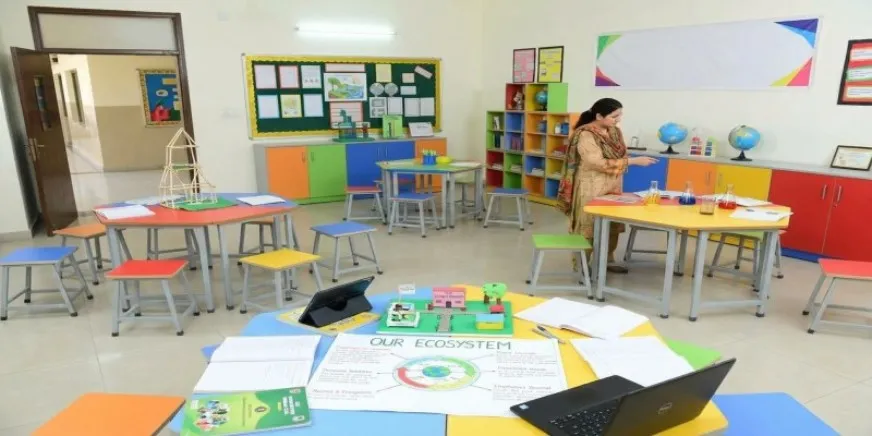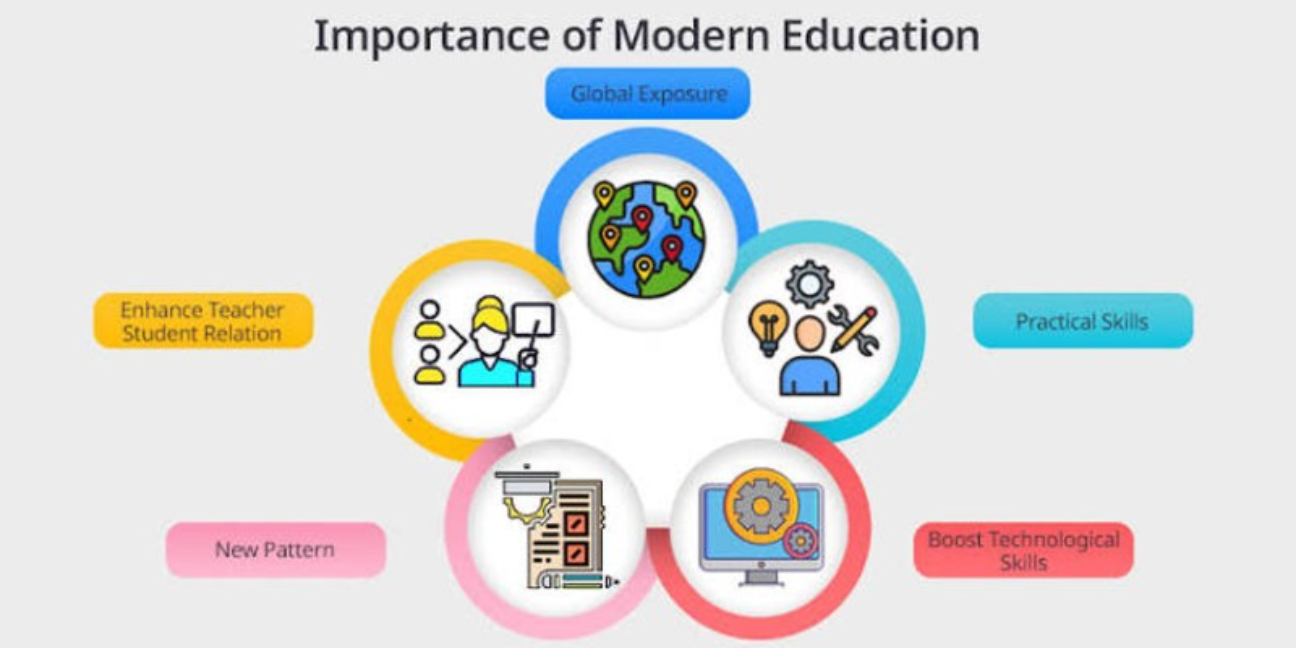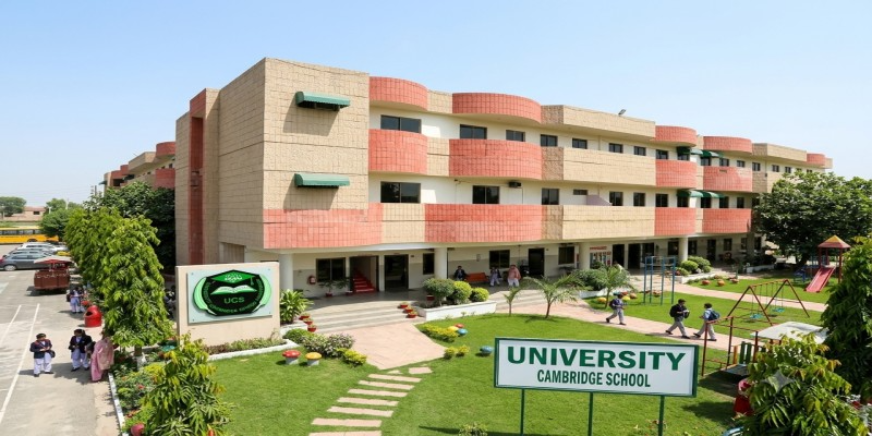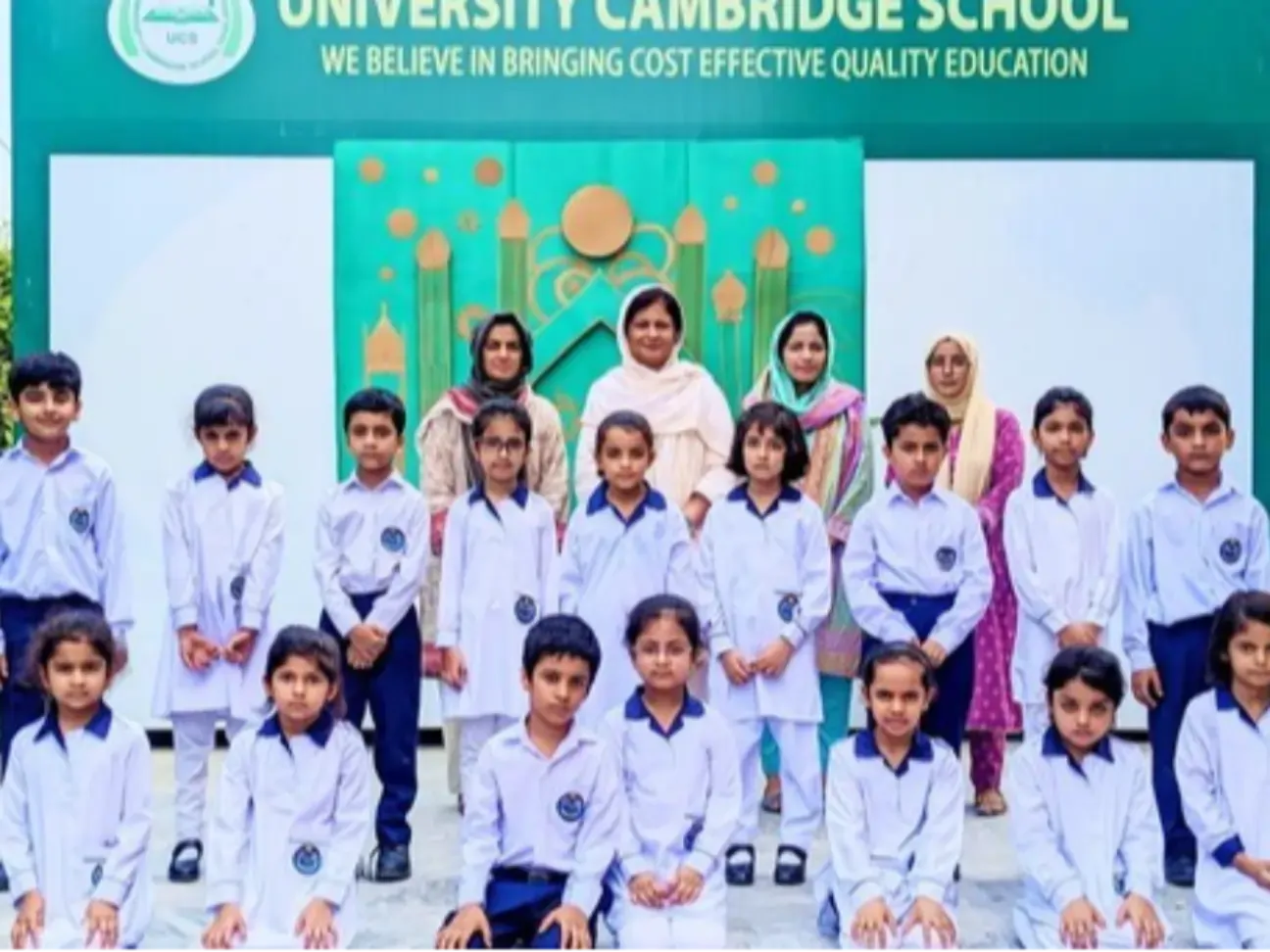
Effective classroom management is the backbone of successful teaching. In 2026, the role of teachers has evolved beyond delivering lectures to creating engaging, inclusive, and tech-driven learning environments. Schools like University Cambridge School are focusing on modern teaching practices that help educators maintain discipline while promoting creativity and collaboration among students.
Understanding the Importance of Classroom Management
Classroom management is not just about maintaining silence or controlling behavior; it is about creating a positive environment where students feel safe, respected, and motivated to learn. A well-managed classroom improves student engagement, reduces disruptions, and enhances overall academic performance.
In today’s fast-changing educational landscape, teachers must adapt to diverse student needs, digital tools, and new learning methods.
Building Strong Teacher-Student Relationships
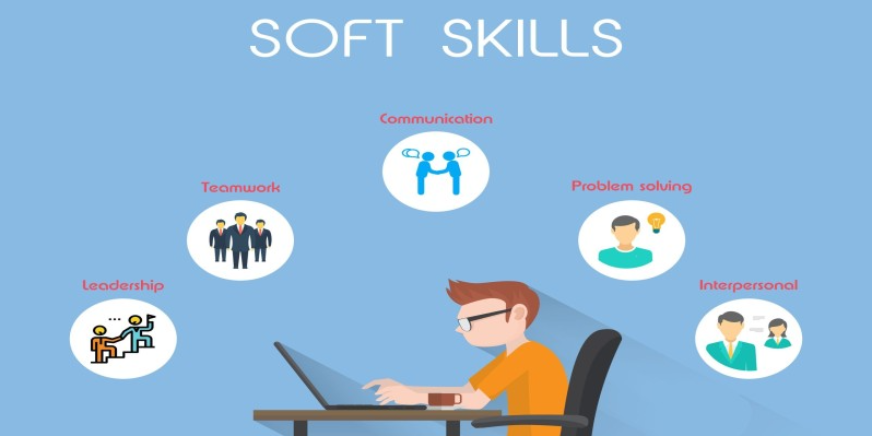
One of the most effective strategies in classroom management is developing strong relationships with students. When students feel valued and understood, they are more likely to follow rules and participate actively.
Teachers should:
- Show empathy and understanding
- Encourage open communication
- Provide constructive feedback
A supportive classroom environment naturally reduces behavioral issues and promotes respect.
Setting Clear Rules and Expectations
Clear and consistent rules help students understand what is expected of them. At the beginning of the academic year, teachers should establish guidelines regarding behavior, participation, and classroom responsibilities.
Consistency is key. When rules are applied fairly and equally, students develop trust and accountability. Institutions that emphasize structured systems, such as through their Admission processes and academic policies, often see better student discipline and engagement.
Integrating Technology in Classroom Management
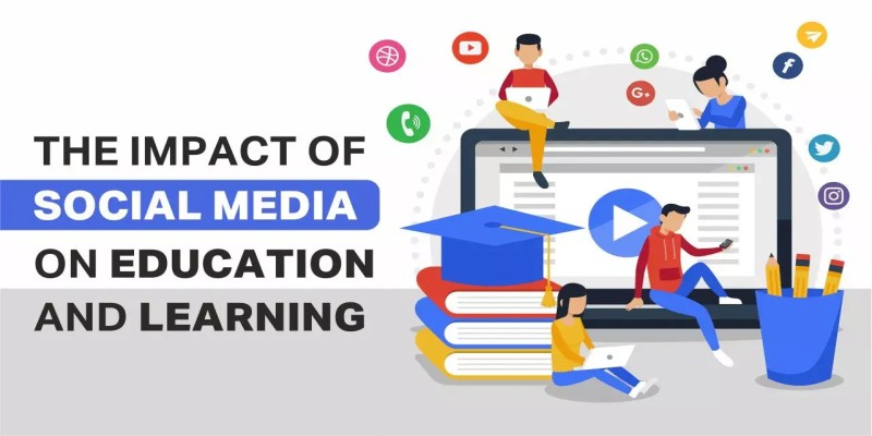
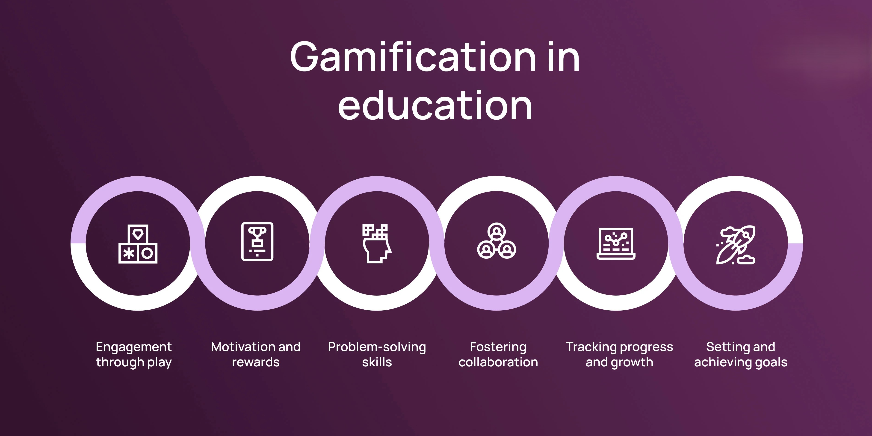
In 2026, technology plays a crucial role in managing classrooms effectively. Digital tools can help teachers monitor student progress, manage attendance, and maintain engagement.
Some useful approaches include:
- Using interactive apps for quizzes and participation
- Implementing digital attendance systems
- Utilizing learning management systems (LMS)
Technology not only makes learning more interactive but also helps teachers stay organized.
Encouraging Student Participation
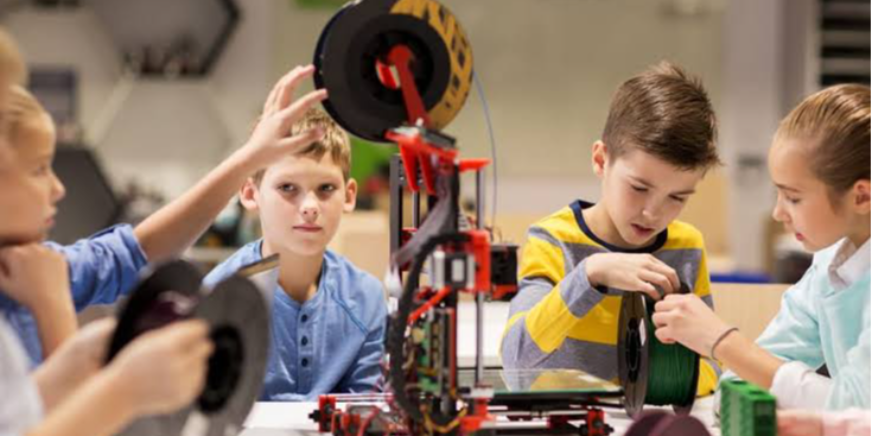
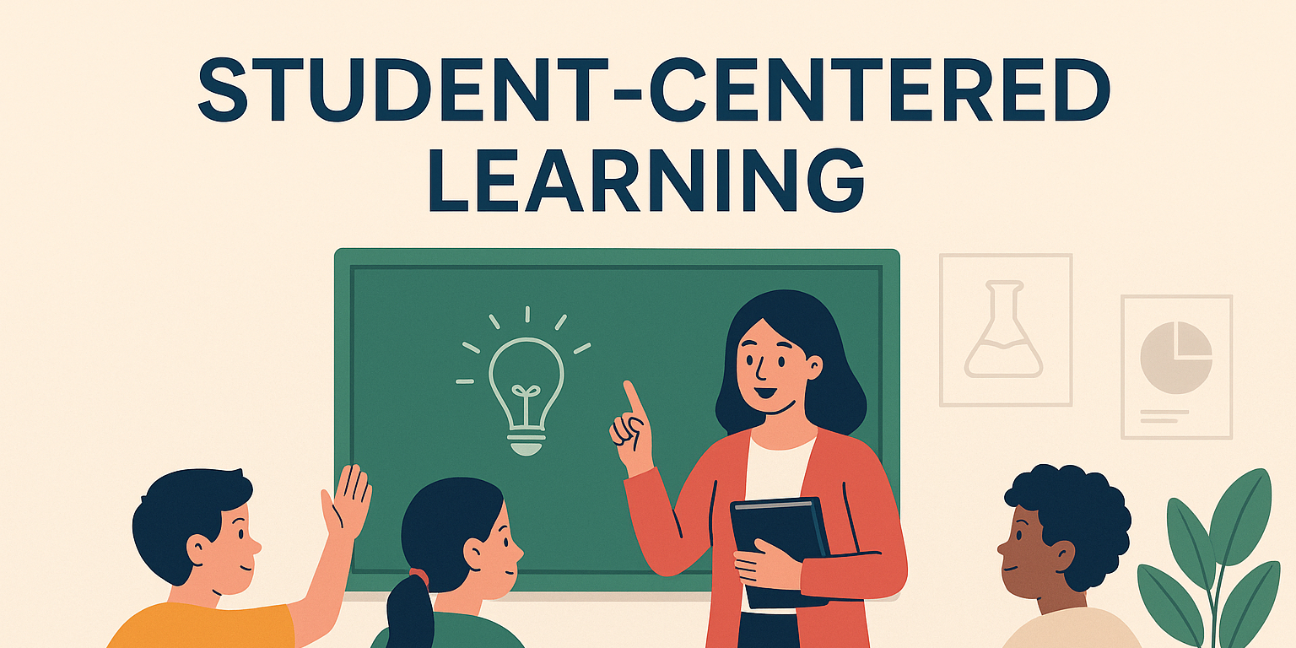
Active participation keeps students focused and reduces disruptive behavior. Teachers can use group discussions, presentations, and collaborative projects to engage students.
When students are involved in the learning process, they feel a sense of ownership, which leads to better behavior and improved outcomes.
Positive Reinforcement Techniques
Rewarding good behavior is more effective than punishing bad behavior. Positive reinforcement can include praise, recognition, or small rewards.
This strategy motivates students to maintain discipline and encourages others to follow positive examples.
Managing Diverse Classrooms
Modern classrooms are diverse, with students from different backgrounds and learning abilities. Teachers must adopt inclusive strategies that cater to all students.
This includes:
- Differentiated instruction
- Cultural sensitivity
- Flexible teaching methods
An inclusive classroom ensures that every student feels respected and supported.
Time Management and Lesson Planning
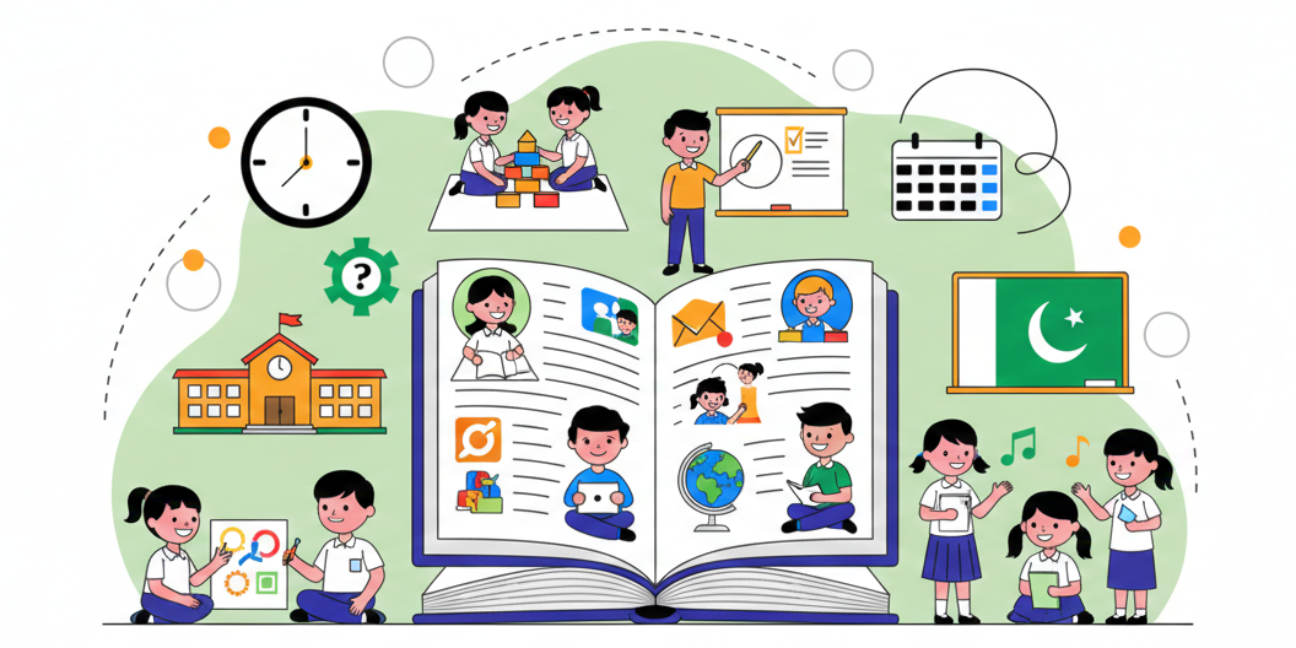
Proper planning helps prevent chaos in the classroom. Teachers should prepare lessons in advance, allocate time for each activity, and maintain a structured schedule.
Effective time management ensures smooth transitions between activities and keeps students engaged throughout the lesson.
Handling Disruptions Effectively
Disruptions are inevitable, but how teachers handle them makes a difference. Instead of reacting emotionally, teachers should address issues calmly and professionally.
Strategies include:
- Identifying the root cause of behavior
- Addressing issues privately
- Maintaining a calm and respectful tone
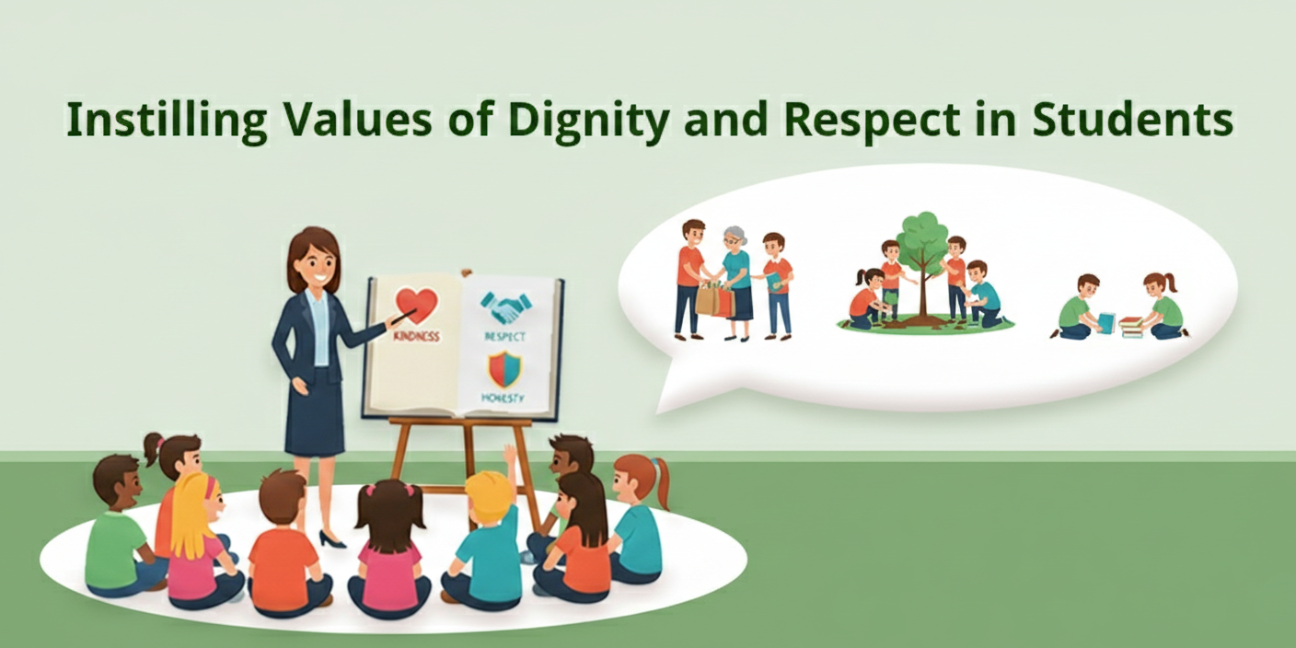
This approach helps maintain authority while preserving student dignity.
Continuous Professional Development
Teachers must stay updated with the latest trends and strategies in education. Attending workshops, training sessions, and reading educational resources can enhance teaching skills. Incorporating proven techniques from resources like the best learning methods for elementary students in Pakistan can help teachers adopt more effective and student-centered approaches. These methods focus on improving engagement, understanding, and overall academic performance at the foundational level.
Conclusion
Classroom management in 2026 requires a blend of traditional discipline methods and modern teaching techniques. By building strong relationships, integrating technology, and maintaining clear expectations, teachers can create a productive and positive learning environment.
Adapting to these strategies not only improves classroom behavior but also enhances the overall educational experience for both teachers and students. Exploring platforms like our Blog section provides valuable insights into modern teaching techniques and classroom management strategies