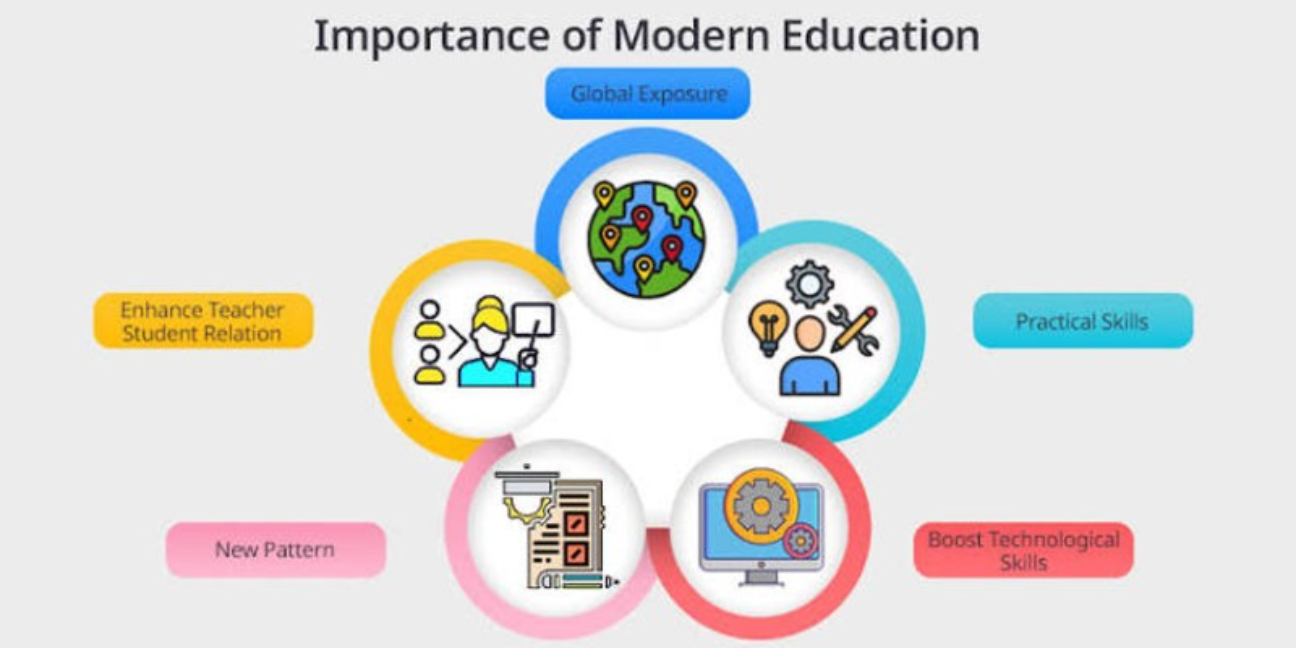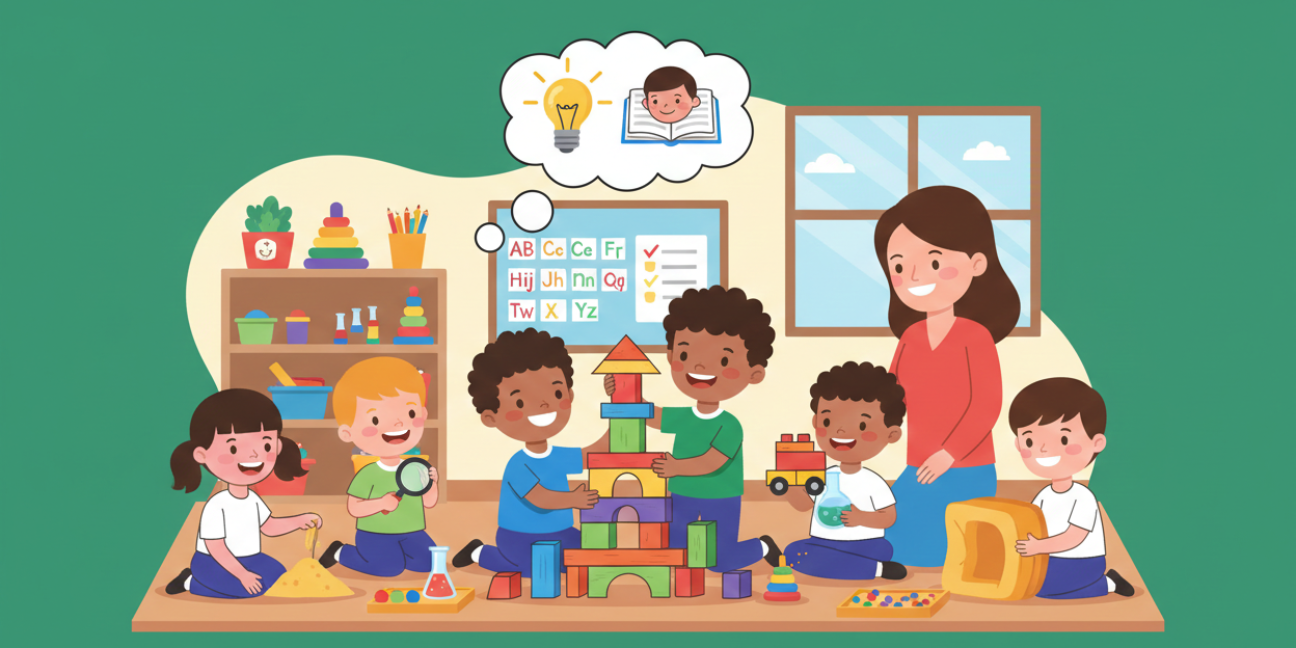
Education is no longer just about memorizing facts and passing standardized tests. In a rapidly evolving global economy driven by technological innovation and complex problem-solving, traditional rote learning falls short of equipping young minds for the real world. Today, future readiness requires critical thinking, collaboration, adaptability, and hands-on application.
This is where Project-Based Learning (PBL) plays a transformative role. By shifting the focus from passive listening to active exploration, project-based learning empowers students to tackle real-world challenges, developing skills that serve them long after they leave the classroom.
Bridging the Gap Between Theory and Practical Application
Traditional education often keeps concepts abstract, leaving students asking why a subject matters. Project-based learning bridges this gap by connecting academic lessons to tangible, real-world scenarios.
Experiential Learning in Action
Instead of reading about environmental science purely from a textbook, students engaged in project-based learning might design a sustainable water filtration system or conduct local ecosystem studies. This experiential approach transforms passive information into active knowledge, helping concepts stick deeper and longer.
Developing Deep Subject Mastery
When learners apply theoretical knowledge to solve practical problems, they move beyond simple memorization. They analyze data, evaluate outcomes, and refine their approaches, leading to true subject mastery and a deeper appreciation for academic disciplines.
Cultivating Essential 21st-Century Skills
The modern workforce values adaptability, innovation, and teamwork above passive information retrieval. Project-based learning inherently fosters these essential skill sets.
Critical Thinking and Problem-Solving
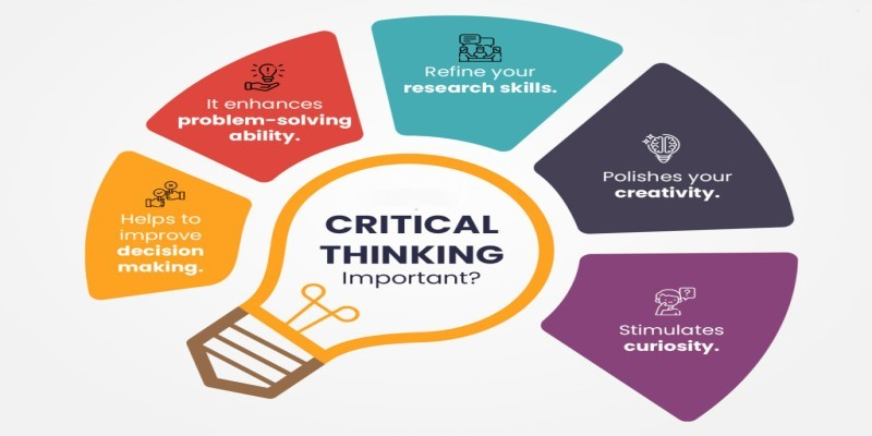
In a project-based environment, problems rarely have a single simple answer. Students must ask meaningful questions, gather evidence, weigh different perspectives, and iterate on solutions, mirroring the exact decision-making processes required in professional careers.
Collaboration and Communication
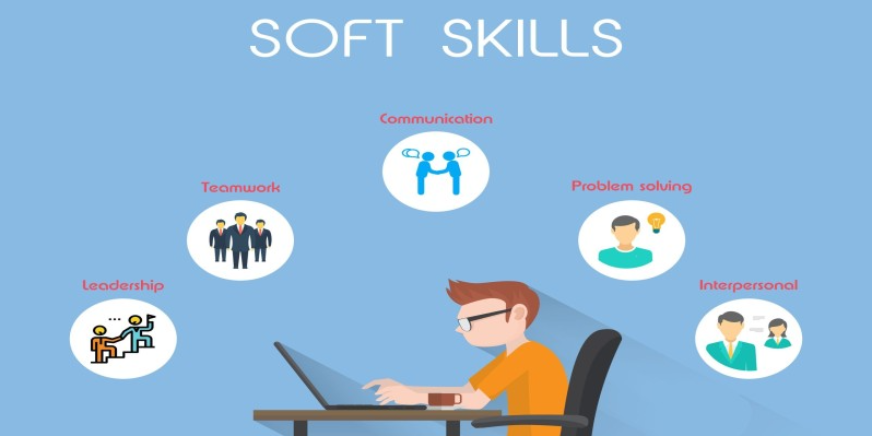
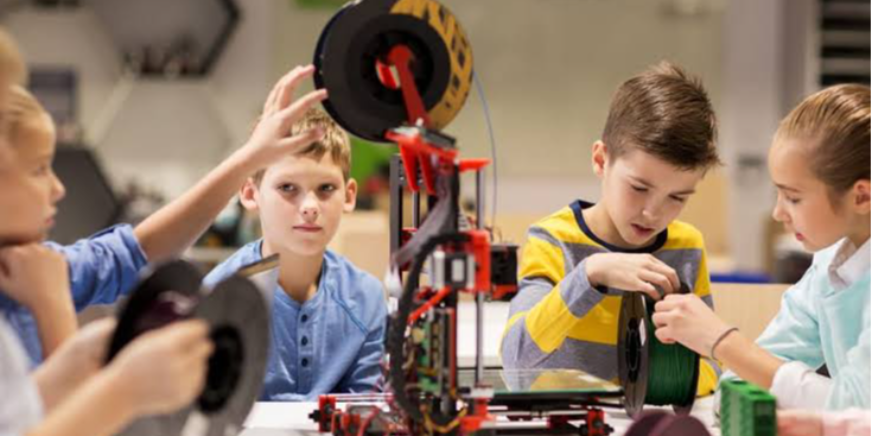
Projects are seldom completed in isolation. Working in diverse groups teaches students how to delegate tasks, resolve conflicts, articulate ideas clearly, and value different viewpoints. Learning to collaborate effectively during school years prepares individuals for success in modern corporate and entrepreneurial environments.
Fostering Student Agency and Lifelong Curiosity
When students have voice and choice in their learning journey, education shifts from a mandatory obligation to an engaging pursuit.
Encouraging Ownership of Learning
Project-based learning encourages students to take initiative. From selecting specific research angles to deciding how to present their final deliverables, learners take pride in their work. This sense of ownership builds self-discipline and confidence.
Nurturing Curiosity and Innovation
By encouraging exploration without rigid boundaries, project-based learning keeps natural curiosity alive. Students learn to view challenges not as obstacles, but as opportunities to innovate, test ideas, and learn from constructive setbacks.
Modern Schools Leading the Project-Based Learning Revolution
Implementing effective project-based learning requires a forward-thinking academic philosophy, modern campus infrastructure, and a dedicated faculty committed to holistic student growth.
Integrating International Standards with Modern Pedagogy
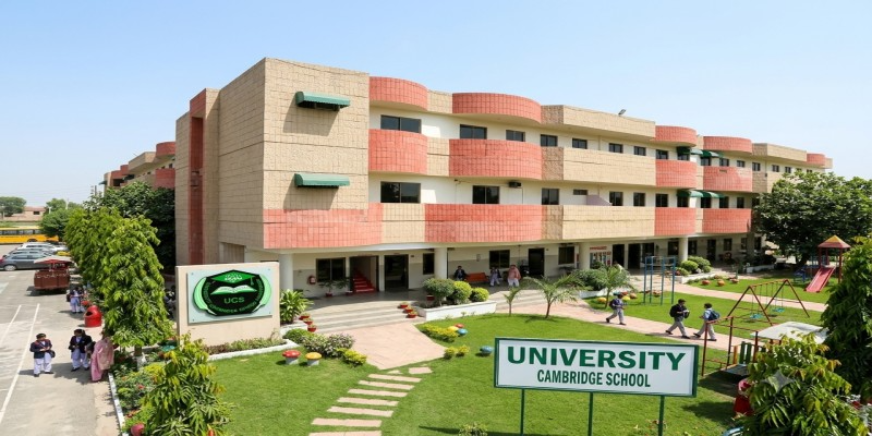
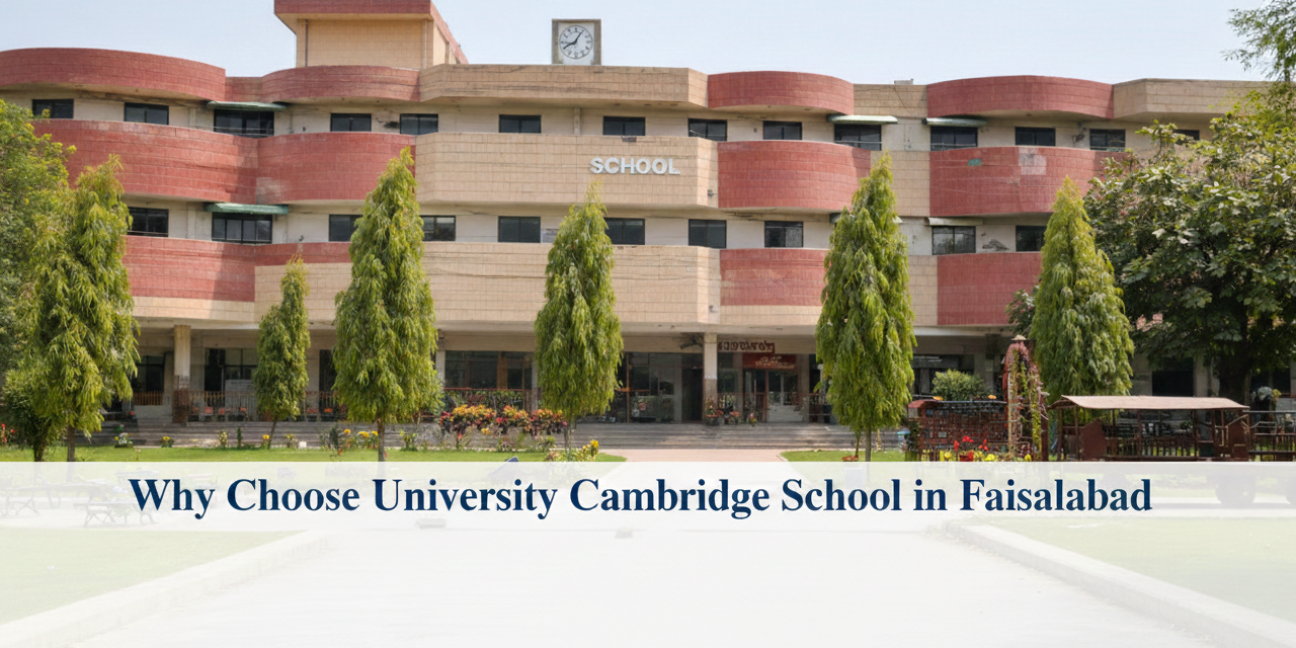
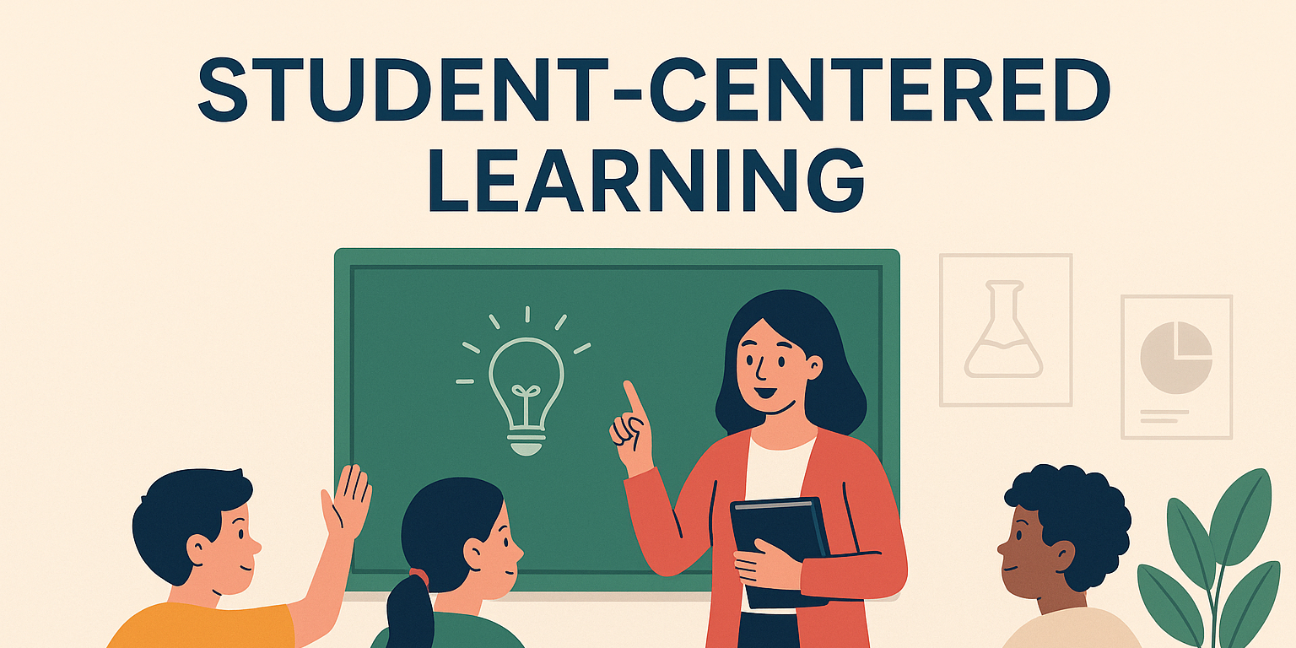
Progressive institutions recognize that academic rigor must go hand in hand with practical life skills. Leading institutions like University Cambridge School combine internationally recognized curricula with modern, student-centered teaching methodologies that emphasize interactive, project-driven discovery.
Preparing Students Through Comprehensive Educational Frameworks
To understand how active learning strategies, modern science and computer laboratories, and values-based education come together to prepare students for future leadership, parents can explore the comprehensive About the School overview.
Accessing Guidance and Program Details
For families seeking an environment where theoretical excellence meets practical application, reviewing the institution's official Prospectus provides detailed insights into curriculum structures, campus facilities, and holistic student development programs.
Taking the First Step Toward Future-Ready Education
Enrolling a child in a project-focused academic setting builds the groundwork for lifelong success. Parents ready to explore enrollment options, entry assessments, and campus orientation details can visit the official Admission portal to begin their journey.
Conclusion
The primary goal of modern education is to prepare young learners for a future that is continuously changing. Project-based learning accomplishes this by teaching students how to think rather than what to think. By combining academic discipline with real-world application, critical thinking, and teamwork, project-based learning ensures that today’s students graduate as confident, innovative, and resilient leaders ready to impact tomorrow's world