In today’s competitive academic environment, students need more than just hard work to succeed, they need smart study strategies. Schools like University Cambridge School emphasize not only quality education but also the development of effective study habits that help students achieve long-term success.
Why Study Skills Matter for Students
Study skills are essential because they help students learn more efficiently, retain information longer, and perform better in exams. Without proper techniques, students may spend hours studying but achieve minimal results.
Strong study habits also build confidence, reduce stress, and create a positive attitude toward learning.
Create a Proper Study Schedule
One of the most important techniques is time management. Students should create a daily study plan that includes specific subjects, breaks, and revision time.
A well-organized schedule helps students stay consistent and avoid last-minute cramming. Educational institutions often guide students through structured systems, such as their Admission processes, where discipline and planning are encouraged from the beginning.
Set Clear Goals
Setting realistic and achievable goals gives direction to study sessions. Instead of vague goals like “study science,” students should set specific targets such as “complete chapter 3 and revise key concepts.”
Clear goals improve focus and provide a sense of accomplishment.
Use Active Learning Techniques
Passive reading is not enough. Students should engage actively with the material by:
- Taking notes in their own words
- Asking questions
- Teaching concepts to others
- Practicing past papers
Active learning improves understanding and memory retention.
Develop Effective Note-Taking Skills
Good notes are a powerful study tool. Students should organize their notes using headings, bullet points, and diagrams.
Using methods like mind mapping or summarizing helps in quick revision and better understanding of complex topics.
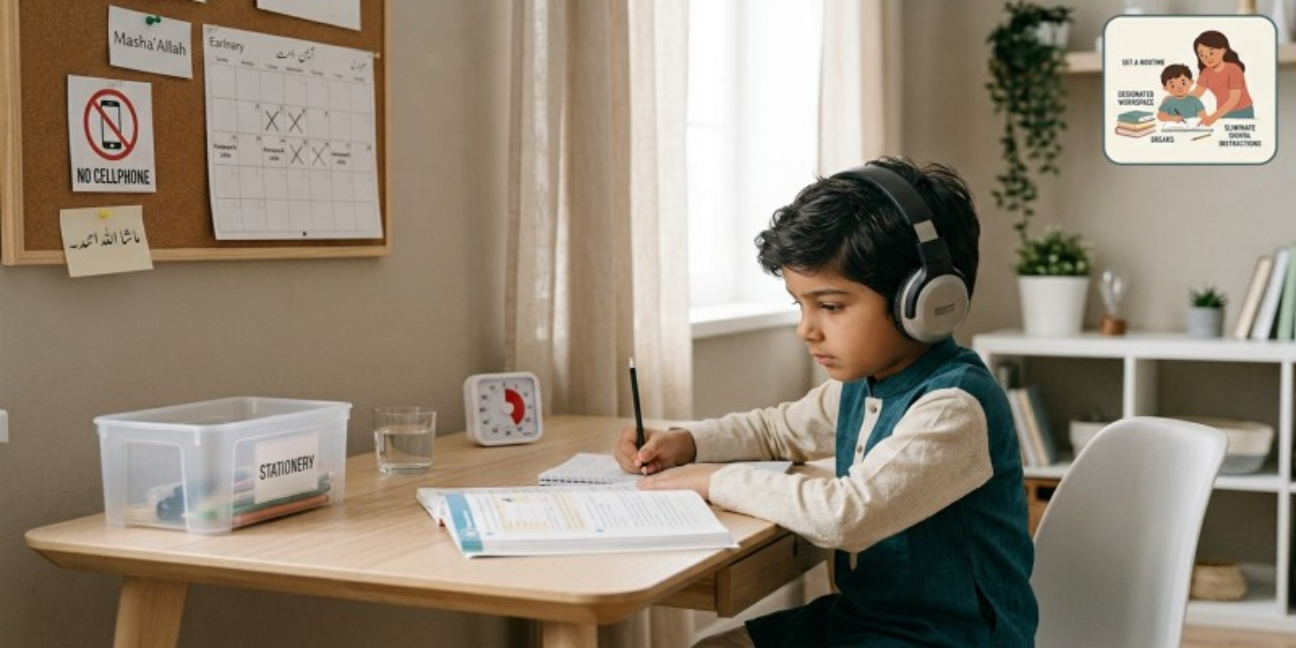
Eliminate Distractions
A distraction-free environment is crucial for effective studying. Students should:
- Turn off unnecessary notifications
- Choose a quiet study space
- Keep only relevant materials nearby
This helps improve concentration and productivity.
Practice Regular Revision
Revision is key to long-term memory. Students should review their notes regularly instead of waiting until exams.
Techniques like spaced repetition and self-testing can significantly improve retention. Details about academic structure and subjects can often be explored through resources like the Prospectus, which provides insights into course planning and study expectations.
Maintain a Healthy Lifestyle
Physical and mental health play a major role in academic performance. Students should:
- Get enough sleep
- Eat healthy meals
- Exercise regularly
A healthy body supports a sharp and focused mind.
Use Technology Wisely
Digital tools can enhance study efficiency if used correctly. Educational apps, online resources, and video tutorials can make learning more interactive and engaging.
However, students must avoid overuse of social media during study time.
Stay Motivated and Positive
Motivation is essential for consistent studying. Students should celebrate small achievements and stay positive even when facing challenges.
Conclusion
Improving study skills is not about studying harder but studying smarter. By managing time effectively, using active learning techniques, and maintaining a healthy lifestyle, students can achieve better academic results.
With the right strategies and consistent effort, every student can develop strong study habits that lead to success in school and beyond. Reading helpful tips and guidance from platforms like our blog can provide inspiration and practical advice for improving study habits.