Education is often measured through grades, test scores, and academic achievements. However, true student development goes far beyond textbooks and classrooms. Extracurricular activities play a powerful role in shaping a student’s personality, confidence, and overall academic performance.
From sports and debates to arts and community service, these activities provide practical learning experiences that help students grow intellectually, socially, and emotionally. Schools that promote balanced development understand that extracurricular participation is not a distraction; it is an enhancement of academic success.
What Are Extracurricular Activities?
Extracurricular activities are structured programs that students participate in outside regular academic classes. These may include:
- Sports (football, cricket, athletics)
- Debates and public speaking
- Drama and performing arts
- Music and fine arts
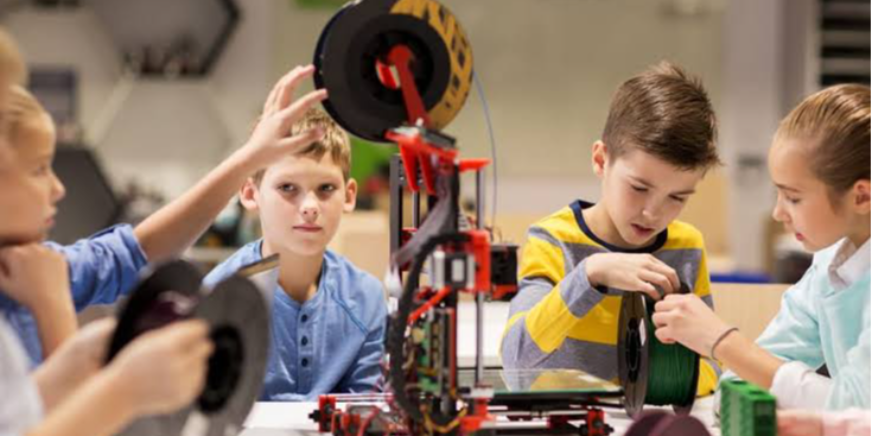
- Science clubs and competitions
- Community service programs
- Student leadership councils
Such activities provide students with opportunities to explore interests, discover talents, and build life skills that classrooms alone cannot offer.
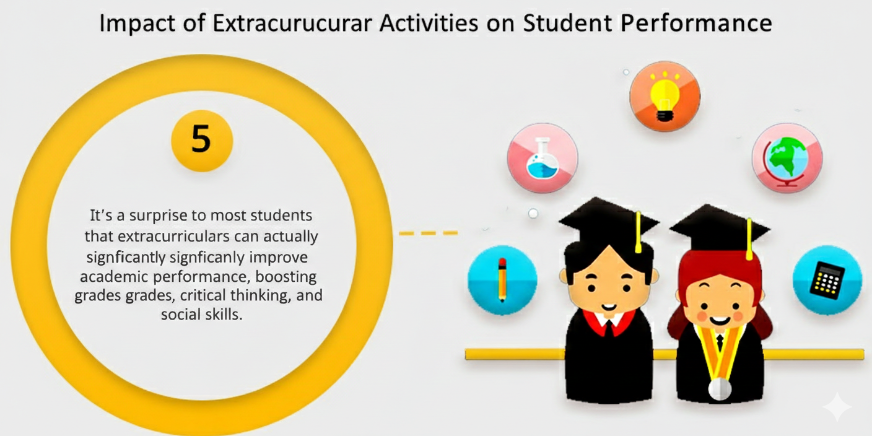
Improved Academic Performance
Research and school observations consistently show that students involved in extracurricular activities often perform better academically. This happens because these activities:
- Improve time-management skills
- Increase focus and discipline
- Reduce academic stress
- Enhance classroom engagement
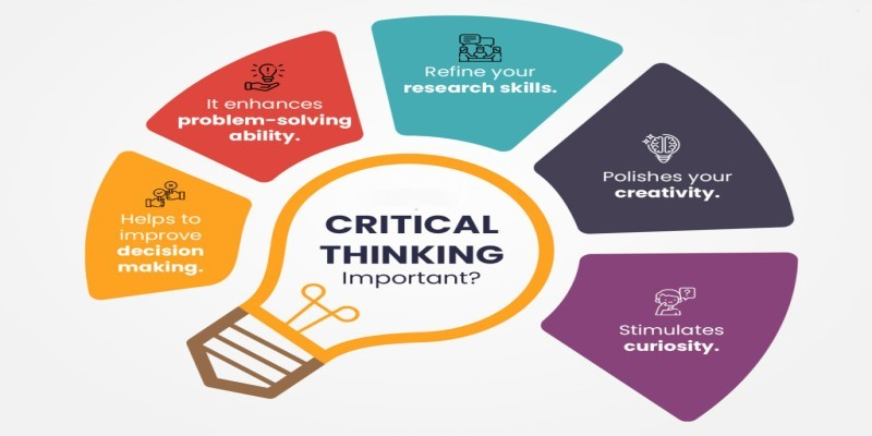
For example, a student involved in debate develops critical thinking and communication skills, which directly improve writing and presentation performance in academics.
Development of Time Management Skills
Balancing studies with activities teaches students how to manage time effectively. They learn to:
- Prioritize tasks
- Follow schedules
- Meet deadlines
- Avoid procrastination
These habits not only improve school performance but also prepare students for university and professional life.
Boost in Confidence & Self-Esteem
Participating in competitions, performances, or sports events helps students overcome fear and stage fright. Confidence grows when students:
- Speak in front of audiences
- Represent their school
- Win or even lose gracefully
- Receive recognition for talents
This self-belief positively impacts classroom participation and academic presentations.
Better Social & Communication Skills
Extracurricular environments encourage teamwork and collaboration. Students interact with peers from different classes and backgrounds, which helps them:
- Build friendships
- Learn teamwork
- Respect diverse opinions
- Develop leadership qualities
Strong communication skills gained here later help in interviews, professional settings, and public dealings.
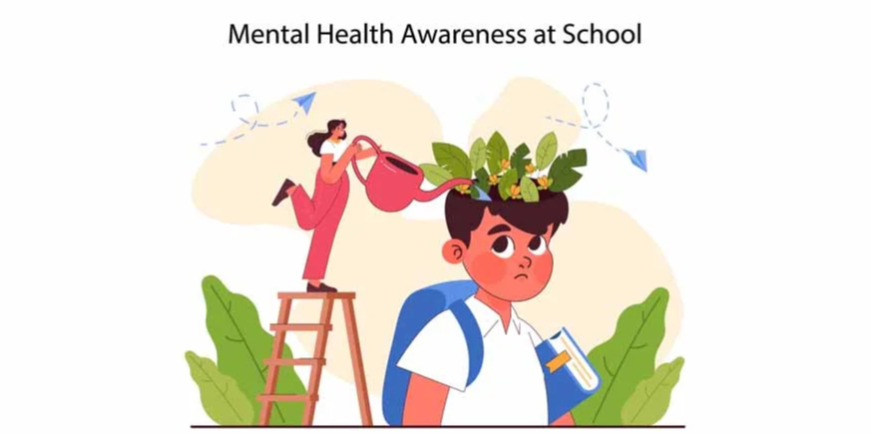
Physical & Mental Health Benefits
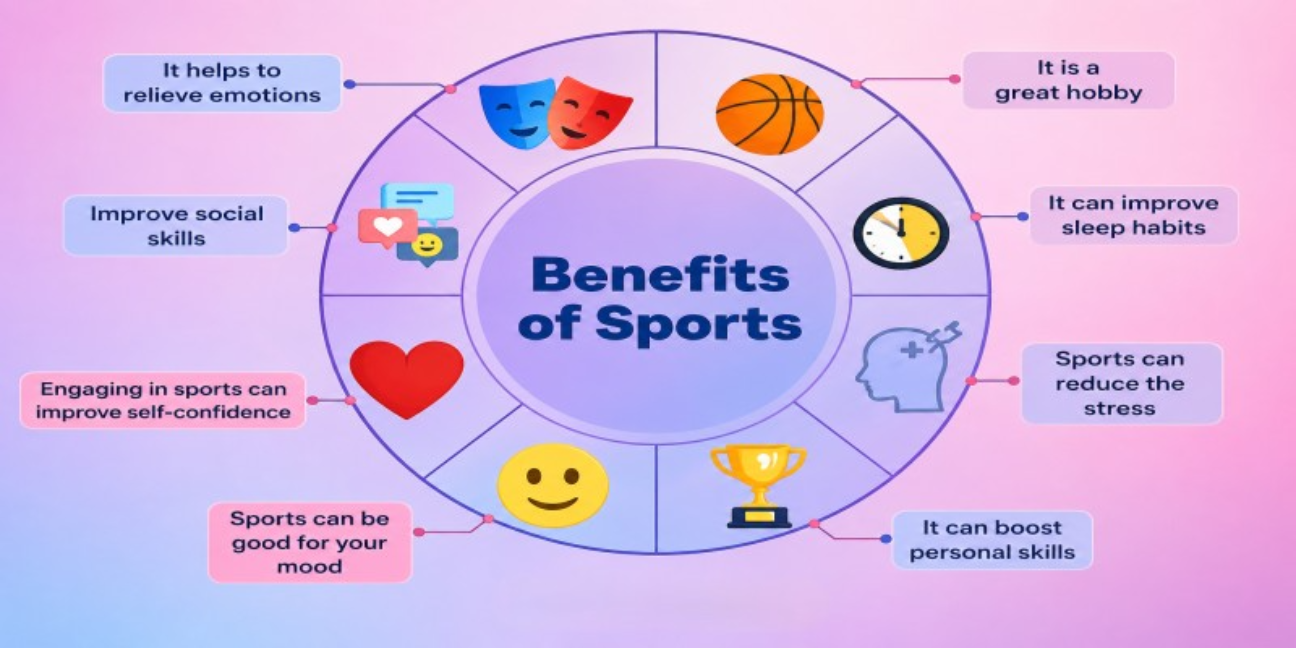
Sports and physical activities play a major role in student well-being. Benefits include:
- Improved fitness and stamina
- Reduced anxiety and stress
- Better concentration
- Healthier lifestyle habits
Healthy students naturally perform better academically because their energy levels and focus remain high.
Discovery of Hidden Talents
Not every student excels only in academics, and that is perfectly okay. Extracurricular platforms help students discover strengths in:
- Art and creativity
- Music and performance
- Leadership and management
- Technical and scientific innovation
Recognizing these talents early helps students choose future careers aligned with their passions.
Leadership & Responsibility Building
Activities like student councils, event management, or club leadership teach responsibility. Students learn how to:
- Organize events
- Lead teams
- Make decisions
- Solve problems
These experiences build maturity and prepare students for real-world challenges.
Role of Schools in Promoting Extracurricular Balance
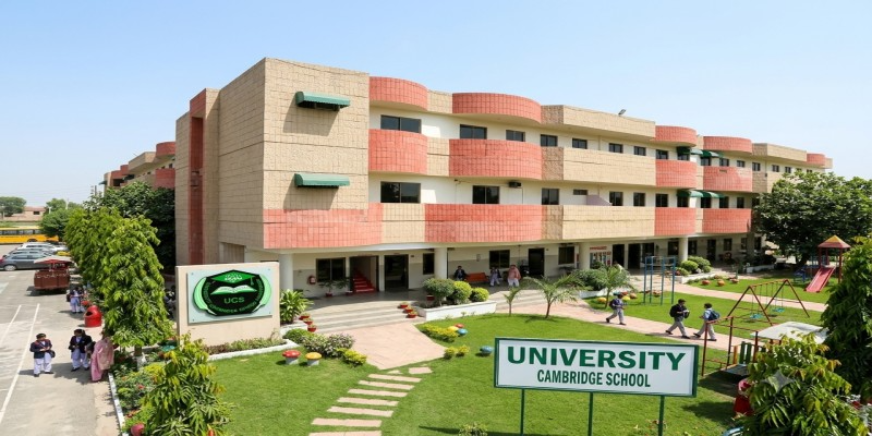
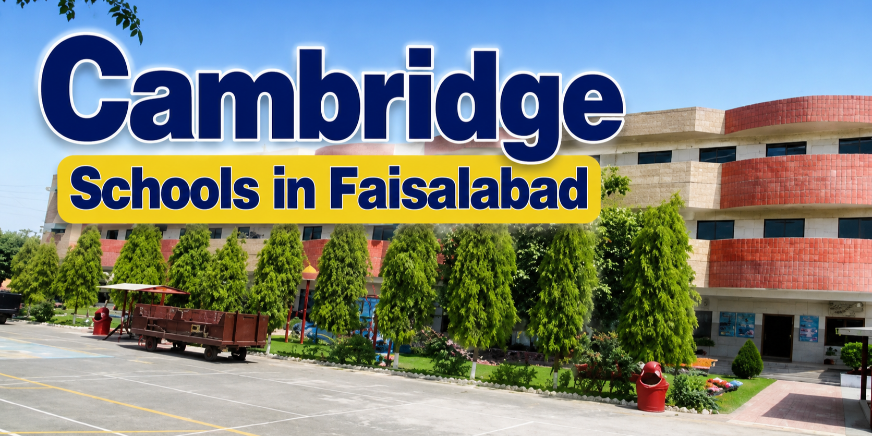
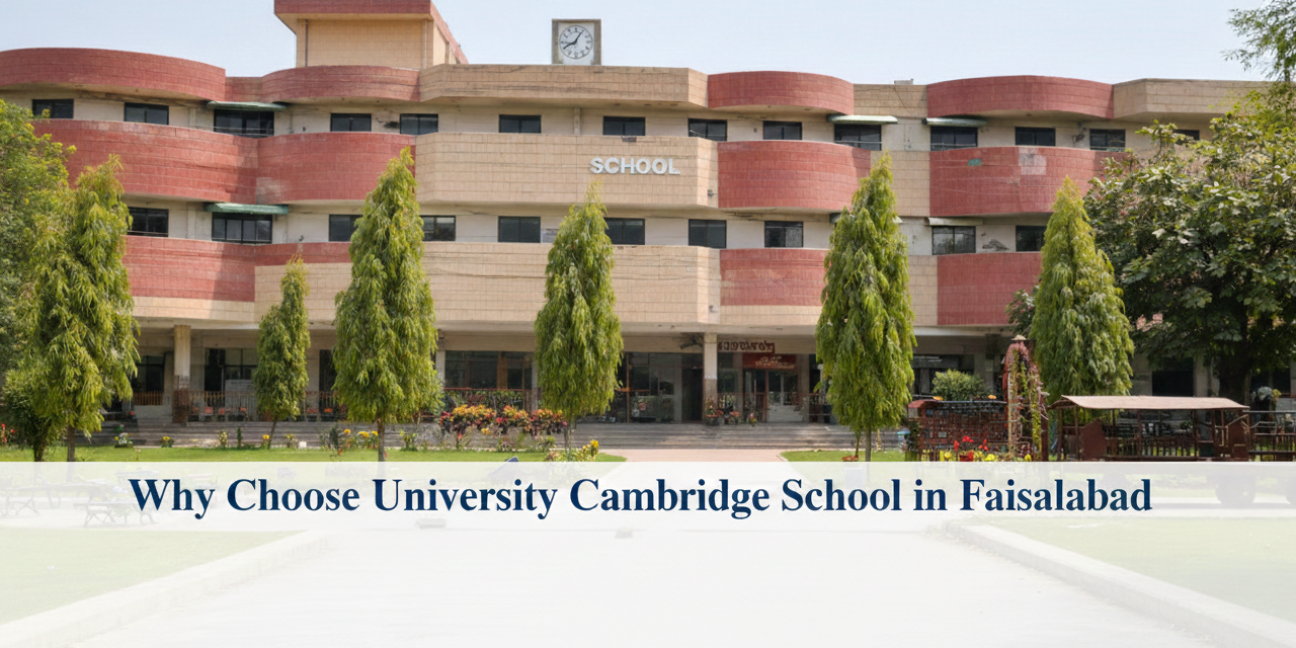
Progressive institutions understand the importance of balancing academics with activities. Schools like University Cambridge School Faisalabad integrate extracurricular programs within their academic framework to ensure holistic student development. By offering structured clubs, sports facilities, arts programs, and inter-school competitions, such institutions create an environment where students thrive both academically and personally.
Finding the Right Balance
While extracurricular activities are beneficial, balance is essential. Students should:
- Avoid over-commitment
- Maintain study schedules
- Choose activities aligned with interests
- Seek guidance from teachers and parents
When managed wisely, activities support academics rather than distract from them.
Conclusion
Extracurricular activities are not merely optional add-ons to education; they are essential components of comprehensive learning. They shape confidence, discipline, leadership, health, and social skills, all of which contribute directly to improved academic performance. Students who actively participate in school life beyond classrooms emerge more capable, expressive, and future-ready. By encouraging balanced involvement in extracurricular programs, schools and parents together can nurture well-rounded individuals prepared for both academic success and life beyond school.