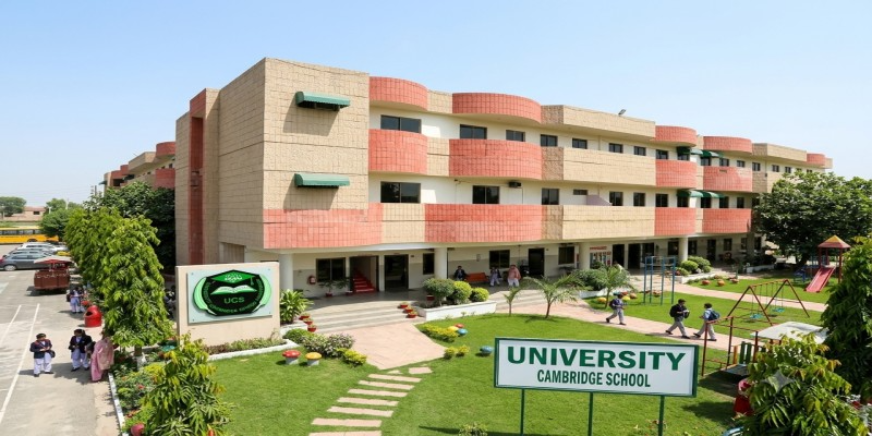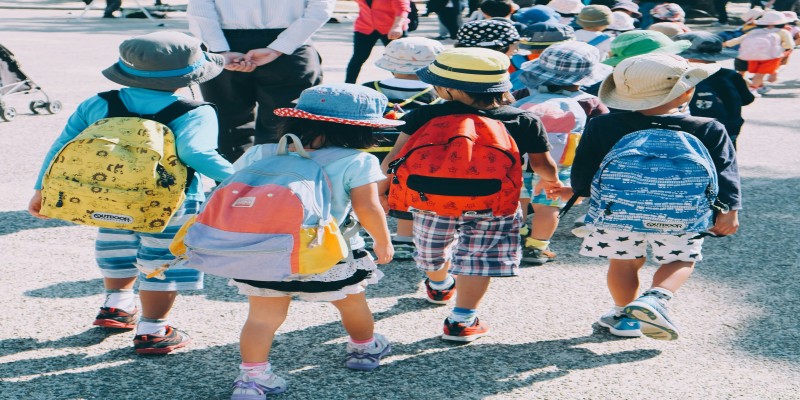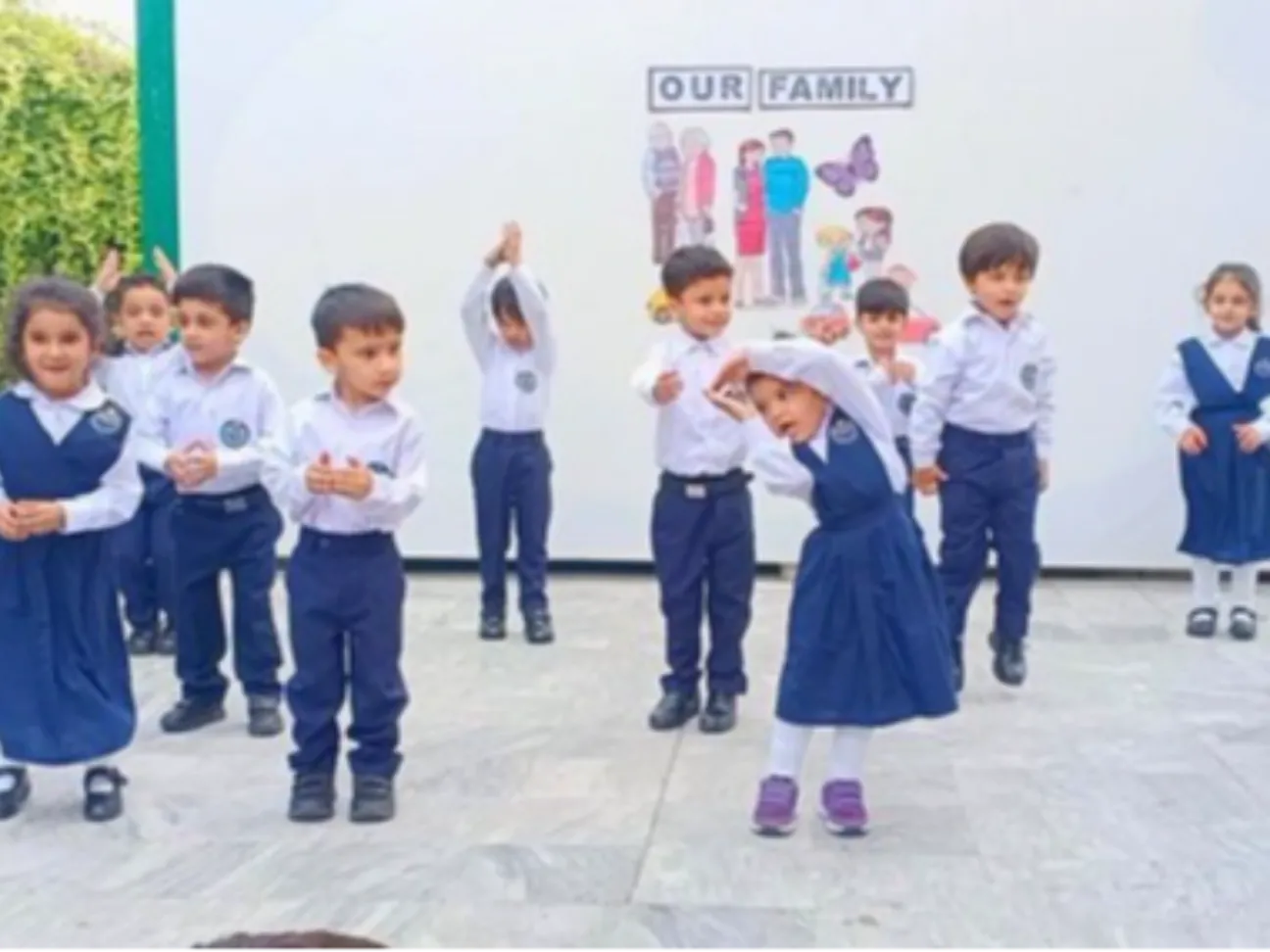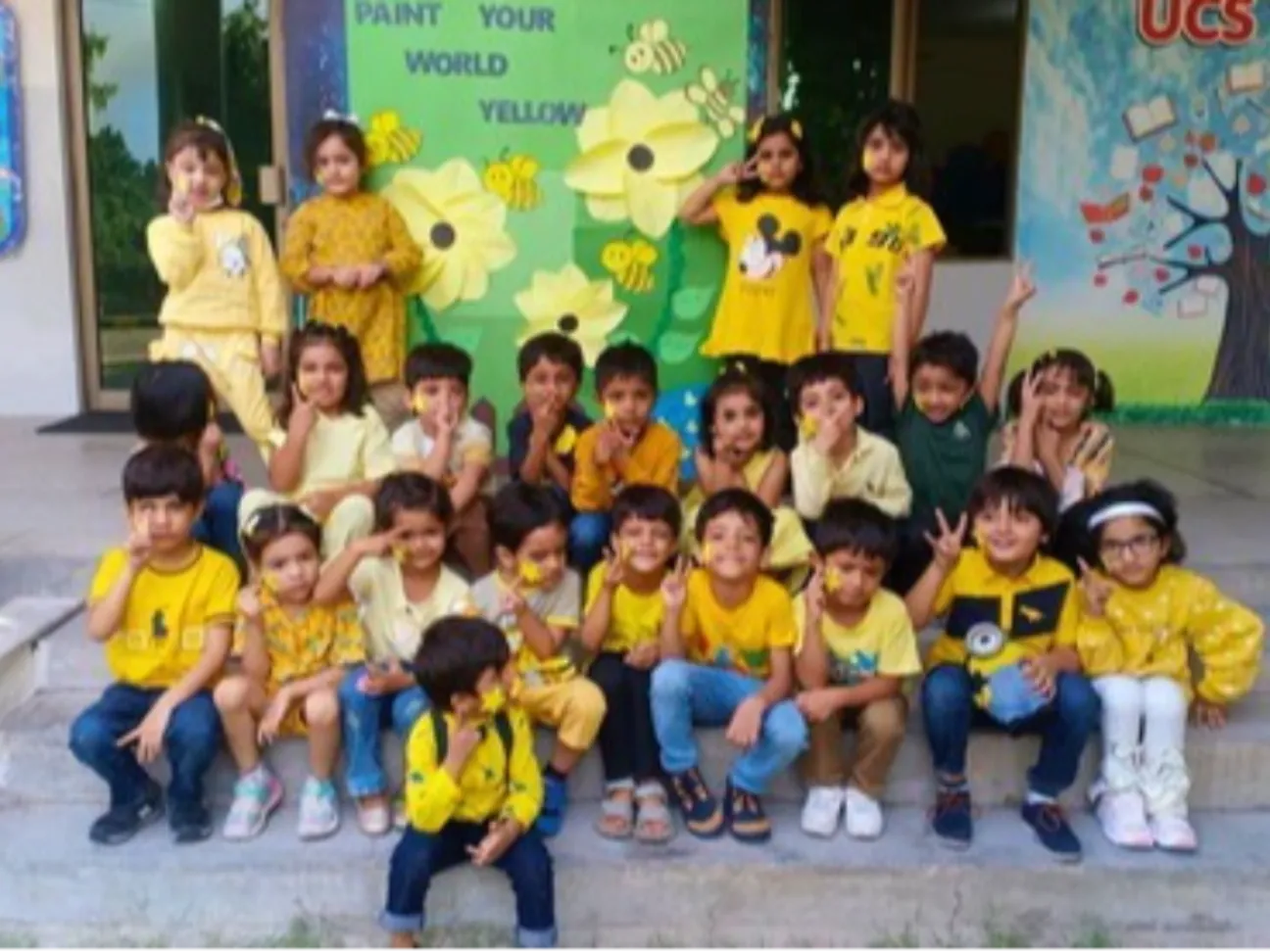
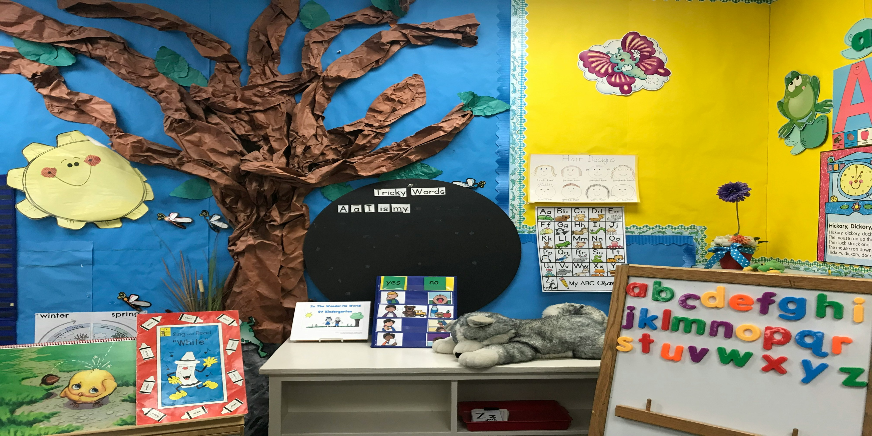
Primary education is the foundation upon which a child’s entire academic and personal development is built. It is during these early years that children develop essential skills, values, and habits that shape their future success. Schools like University Cambridge School recognize the importance of this stage and focus on nurturing young minds with care and quality education.
Building the Foundation of Knowledge
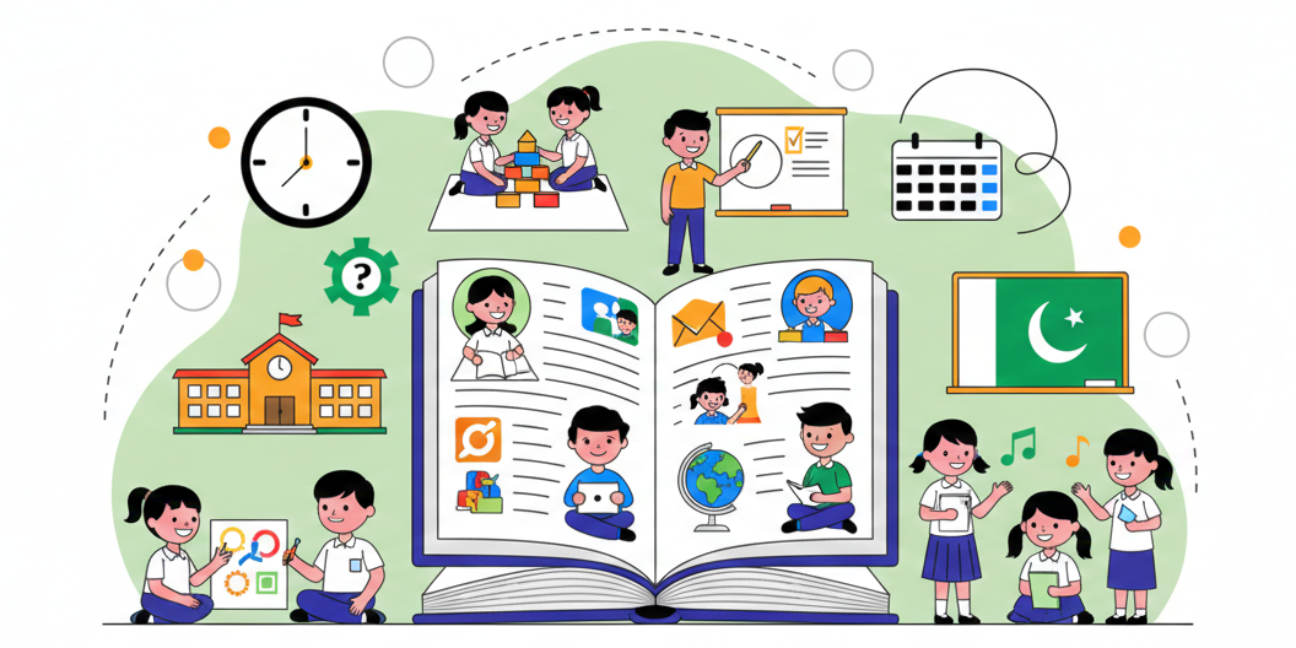
Primary education introduces children to basic subjects such as English, Mathematics, Science, and Social Studies. These subjects form the core knowledge that students will build upon in higher classes.
At this stage, children learn how to read, write, and understand the world around them. Strong foundational knowledge ensures better performance in later academic years.
Development of Cognitive and Thinking Skills
Early education plays a key role in developing a child’s thinking abilities. Children begin to:
- Solve simple problems
- Ask questions
- Explore new ideas
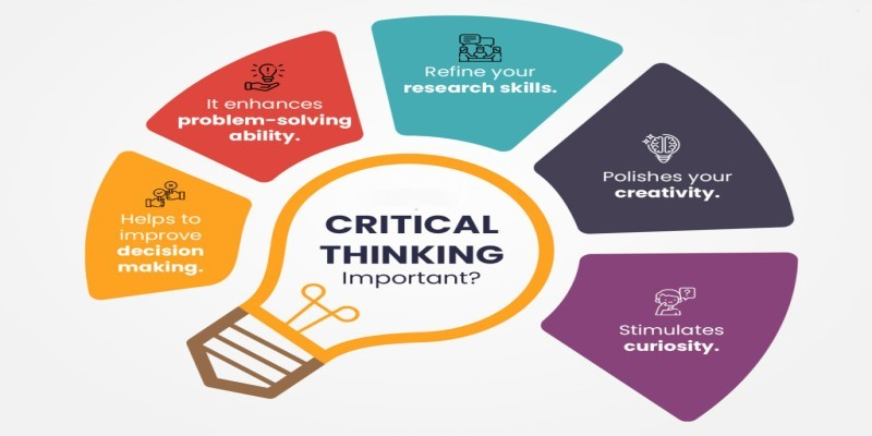
These skills are essential for critical thinking and decision-making in the future.
Social and Emotional Growth
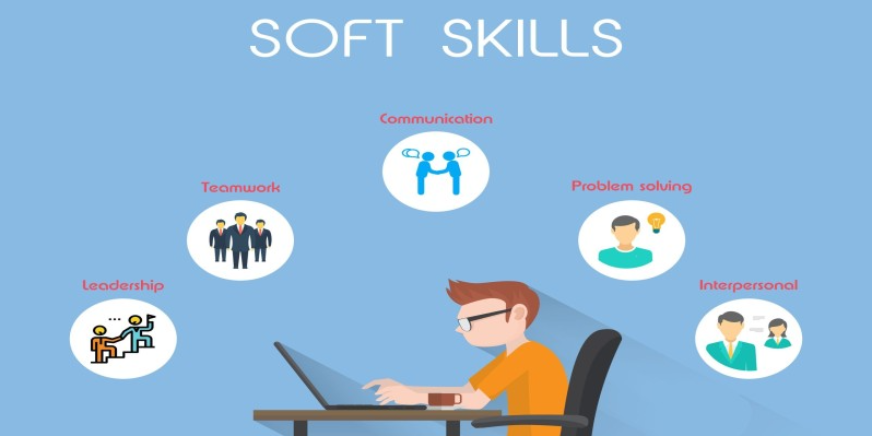
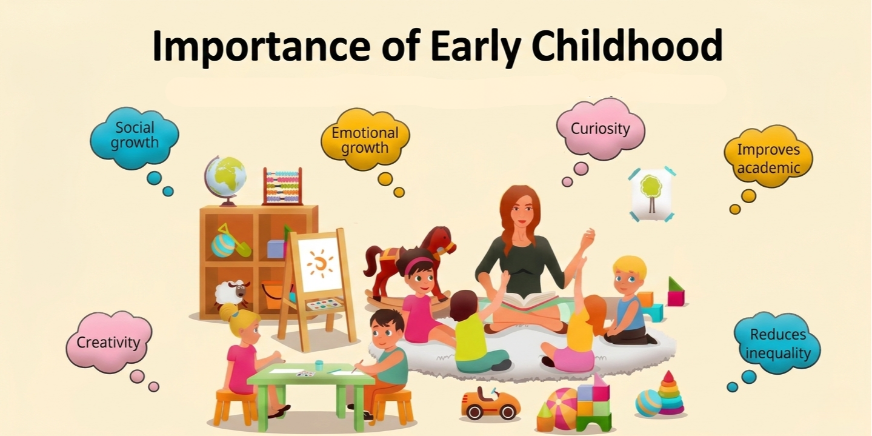
Primary school is not just about academics; it is also where children learn how to interact with others. They develop:
- Communication skills
- Teamwork and cooperation
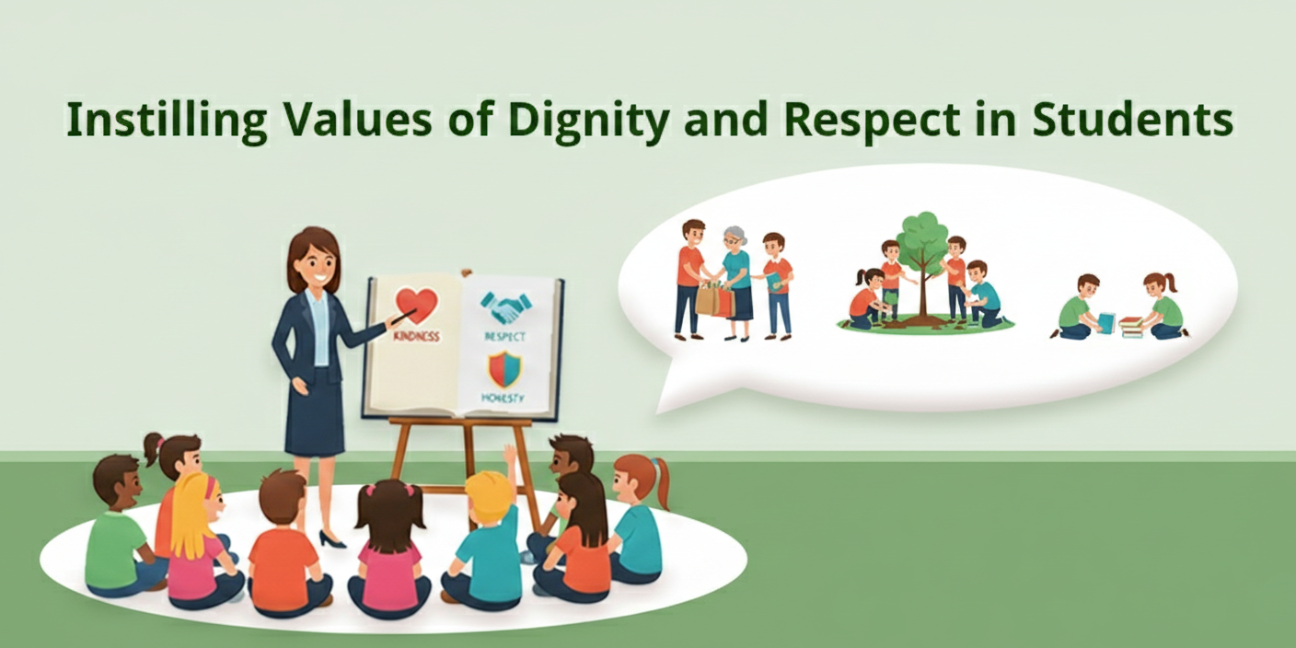
- Respect for others
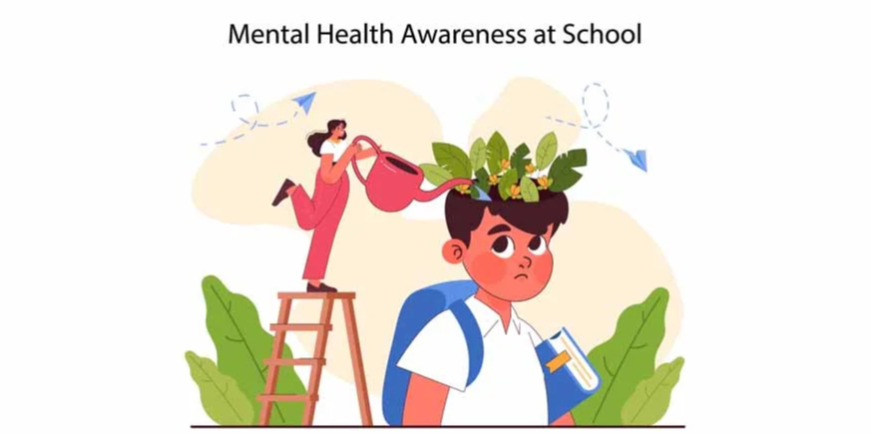
This social exposure helps children build confidence and emotional intelligence.
Formation of Good Habits
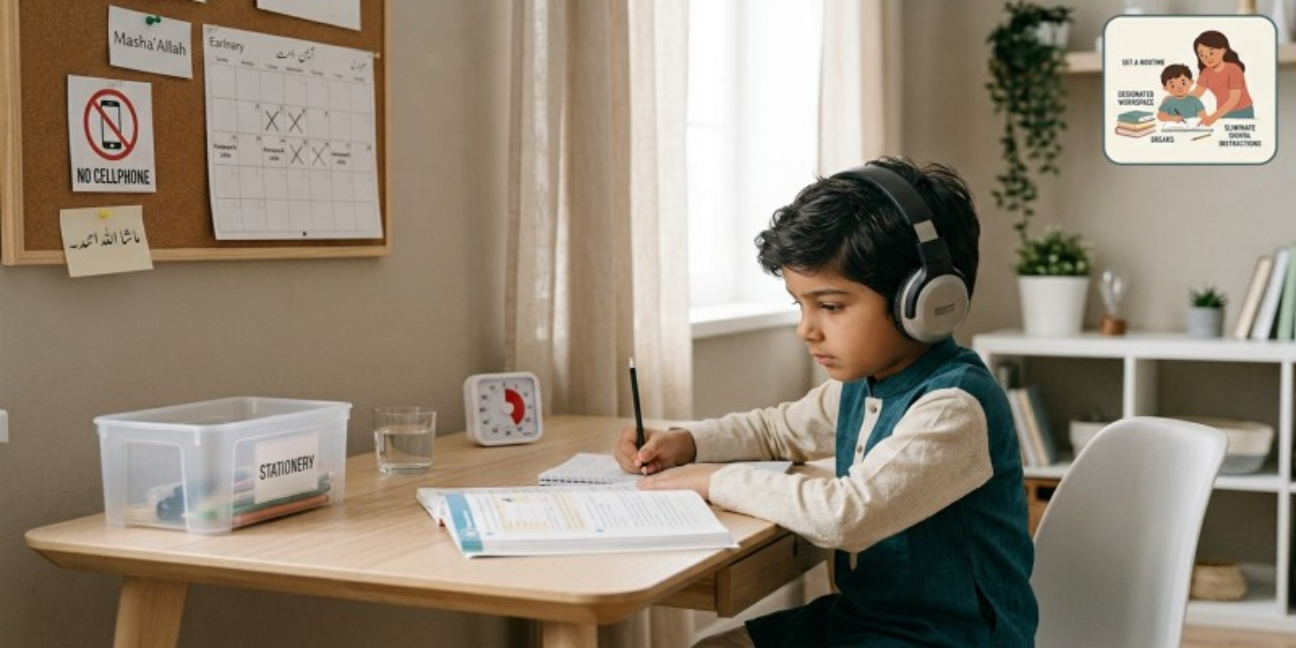
Habits formed during primary education often stay for life. Children learn discipline, time management, and responsibility from an early age.
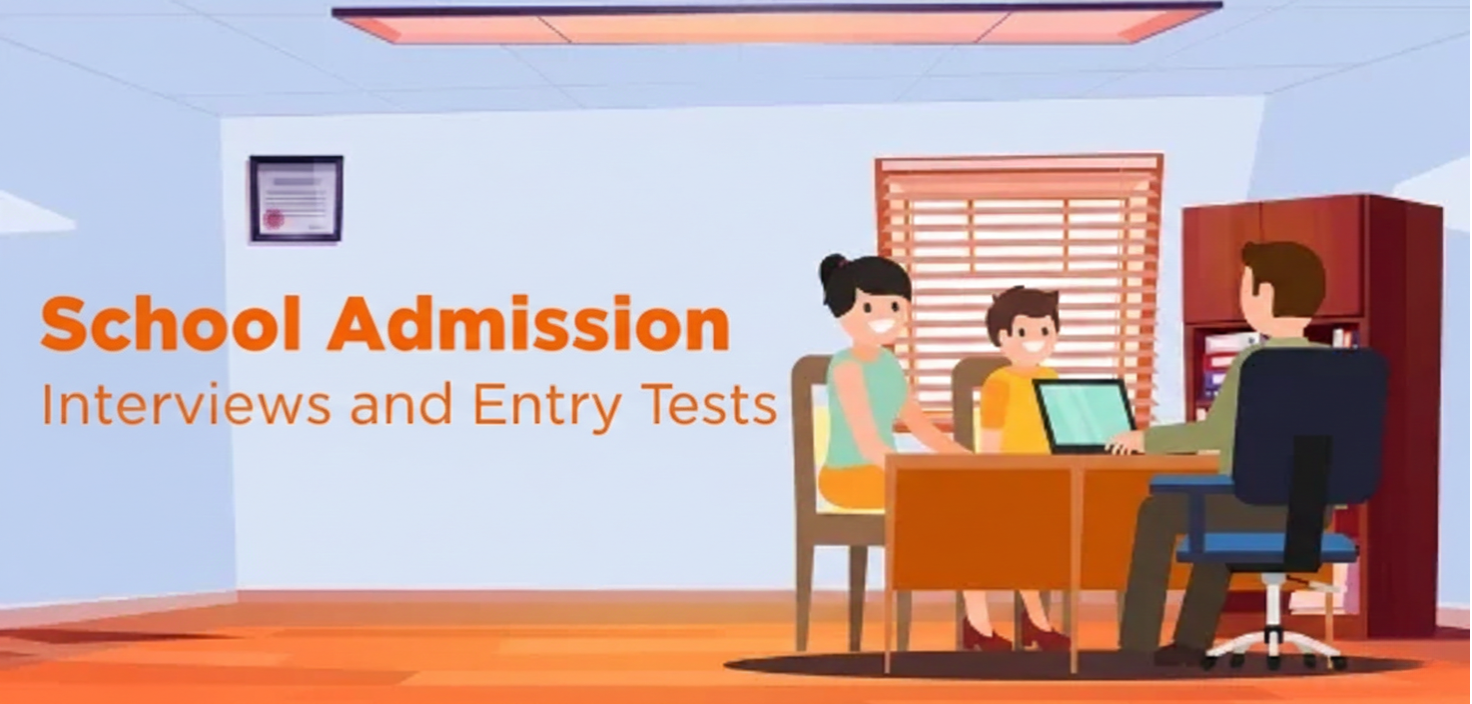
Structured systems, such as those highlighted in the Admission process of quality institutions, ensure that students are introduced to a balanced and organized learning environment from the beginning.
Encouraging Curiosity and Creativity
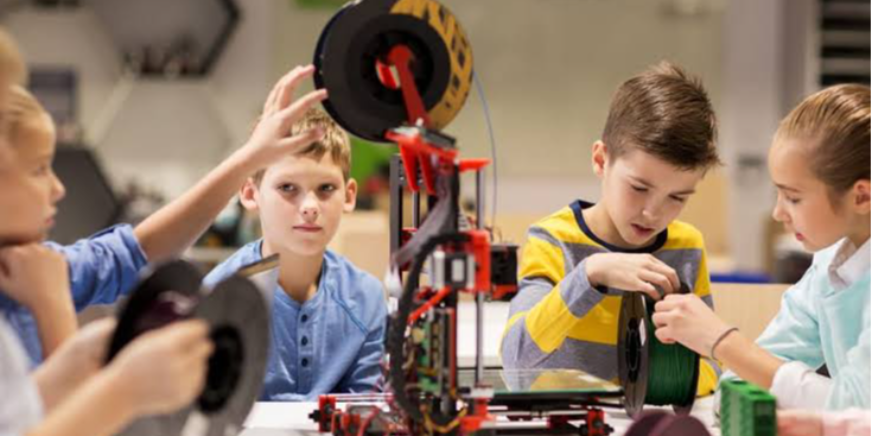
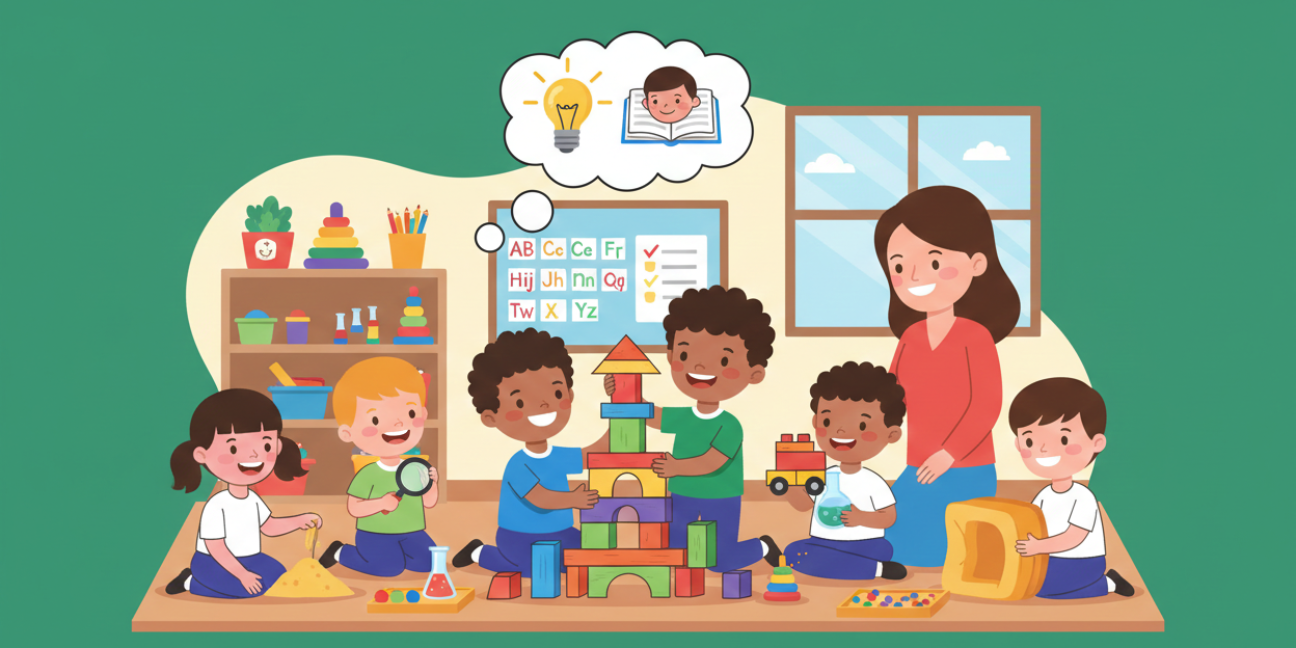
Young children are naturally curious, and primary education helps nurture that curiosity. Through activities like drawing, storytelling, and experiments, students develop creativity and imagination.
A creative learning environment makes education enjoyable and keeps students engaged.
Building Confidence and Self-Esteem
When children achieve small milestones, such as reading a book or solving a math problem, it boosts their confidence.
Teachers play a vital role in encouraging students and helping them believe in their abilities. This confidence supports them throughout their academic journey.
Identifying Strengths and Interests
Primary education helps teachers and parents identify a child’s strengths, whether in academics, sports, or arts.
Understanding these interests early allows for better guidance and future career planning. Details about subjects and academic structure can often be explored through resources like the Prospectus, which provides insight into learning pathways.
Preparing for Higher Education
A strong primary education makes the transition to secondary and higher education much smoother. Students with a solid foundation are better prepared to handle complex subjects and academic challenges.
This stage ensures that students develop the skills needed for lifelong learning.
Role of Teachers and Learning Environment
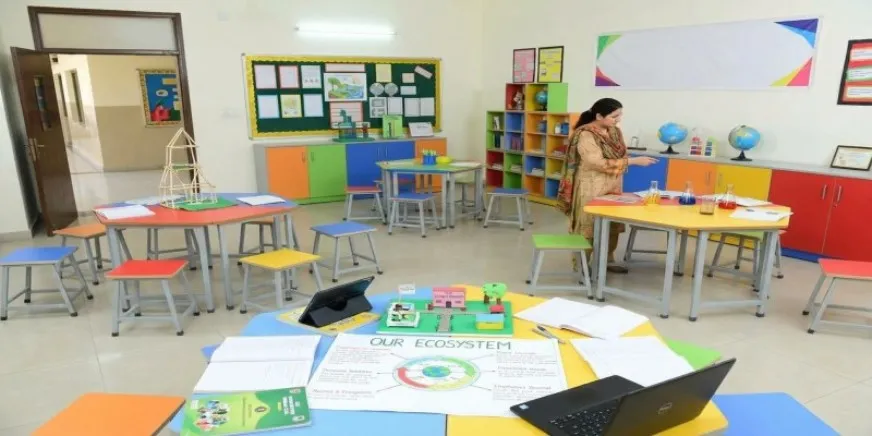
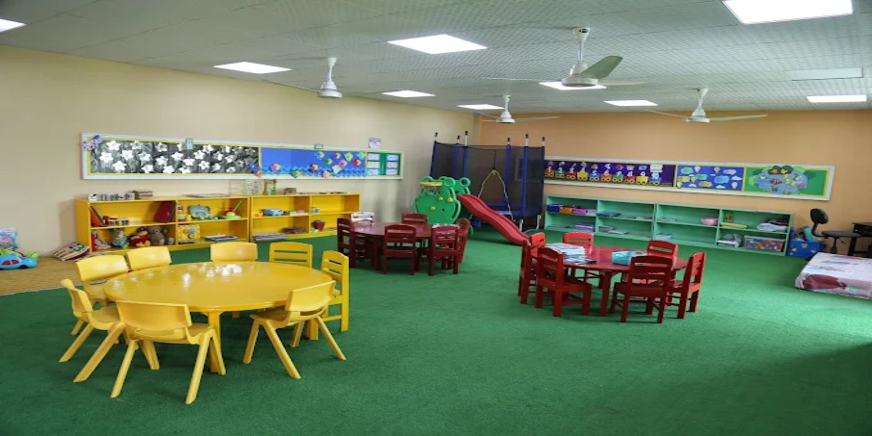
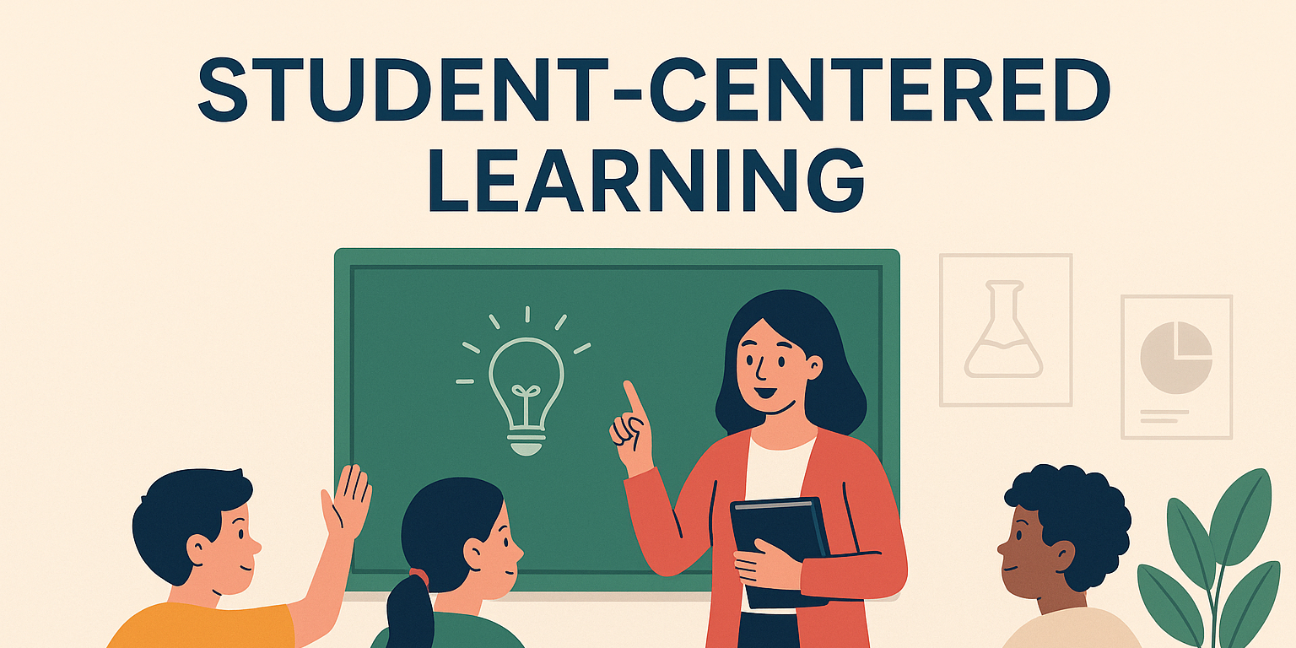
Teachers at the primary level have a significant impact on a child’s development. A positive and supportive environment encourages students to participate, ask questions, and grow confidently.
Conclusion
Primary education is the most important stage of learning because it lays the groundwork for a child’s academic success, personal growth, and future achievements.
By focusing on strong foundations, creativity, and character development, primary education shapes confident, capable, and well-rounded individuals ready to succeed in life. Parents can also explore helpful educational insights and guidance through our blog to better support their child’s learning journey