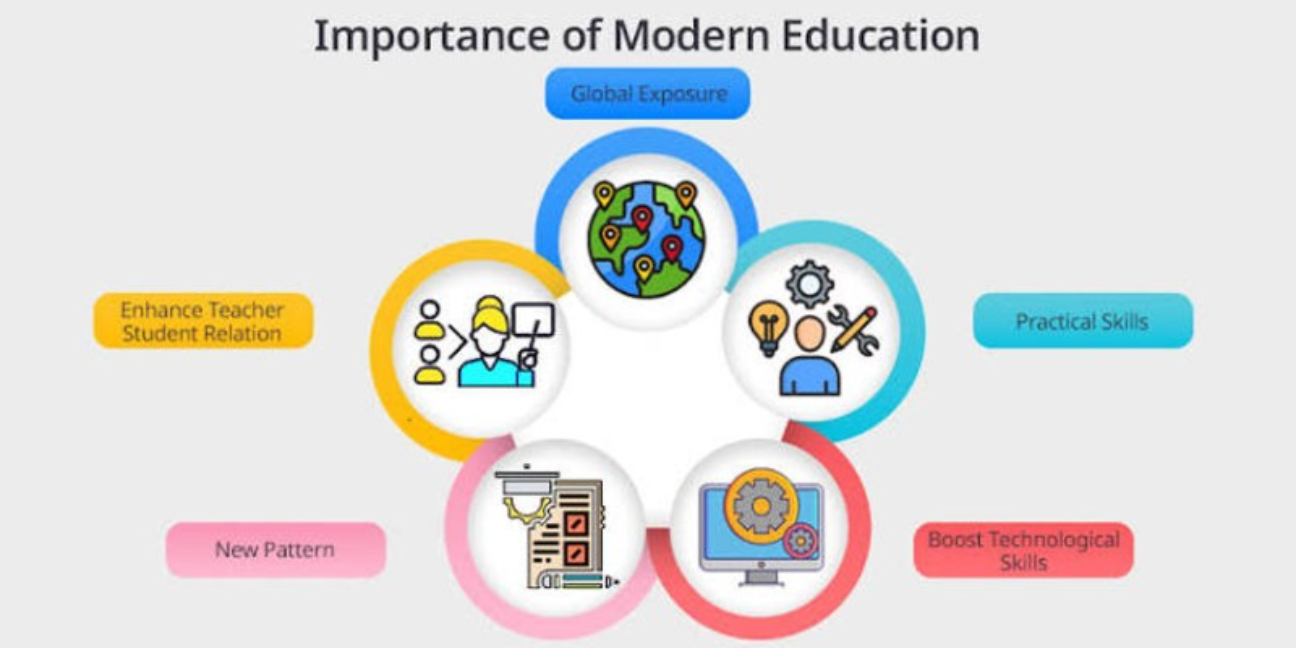
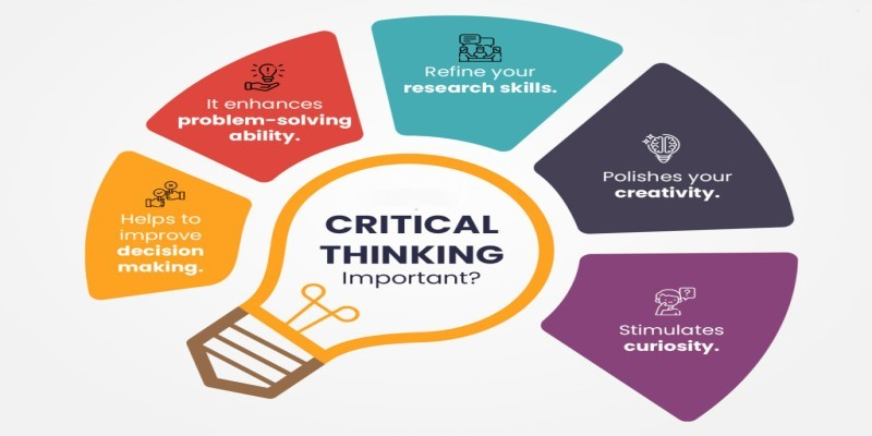
The global economy is evolving at a breakneck pace, and the ability to memorize information is no longer enough to guarantee a student's success. In the modern world, information is everywhere, but the capacity to analyze, question, and apply that information effectively is what truly sets successful individuals apart. This is why forward-thinking schools are shifting their focus from traditional teaching methods to a more dynamic approach that helps students develop deep critical thinking skills. When institutions prioritize these cognitive abilities, they transform classrooms from passive spaces of listening into active environments where students learn how to think, rather than just what to think.
Shifting from Rote Learning to Active Inquiry
The journey toward building strong analytical skills begins by dismantling the culture of rote memorization that has dominated local education systems for decades. To foster genuine critical thinking, schools must integrate active inquiry into their daily academic routines. Instead of simply presenting facts for students to copy down, teachers can introduce open-ended questions, lead group discussions, and present real-world problems that require multiple steps to solve. This method encourages students to look at a single issue from different angles, evaluate evidence, and build logical arguments. By encouraging students to question assumptions early on, schools prepare them to handle complex academic tracks and navigate a world filled with shifting data and diverse viewpoints.
Building Independent Academic Habits and Study Routines
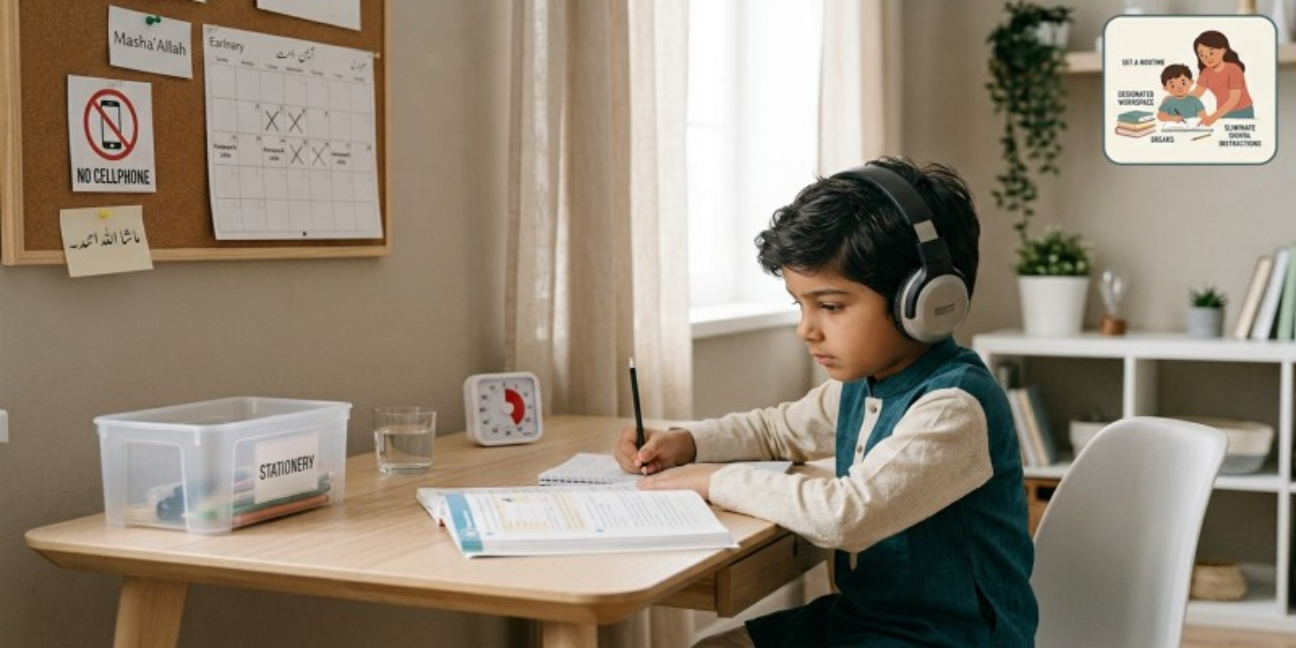
Developing strong critical thinking skills does not happen by accident; it requires a structured framework and the right approach to learning. Schools can support this cognitive growth by teaching students how to manage their time, organize their ideas, and approach difficult subjects systematically. When young learners understand how to break down massive topics into manageable concepts, they naturally become more confident, independent thinkers. To help students transition into this highly analytical way of learning, implementing effective techniques is incredibly valuable. Parents and educators looking for practical ways to guide their children can explore this comprehensive guide on How to Improve Study Skills and Effective Techniques for School Students, which serves as an excellent resource for establishing strong academic foundations.
Leveraging International Frameworks for High Academic Standards
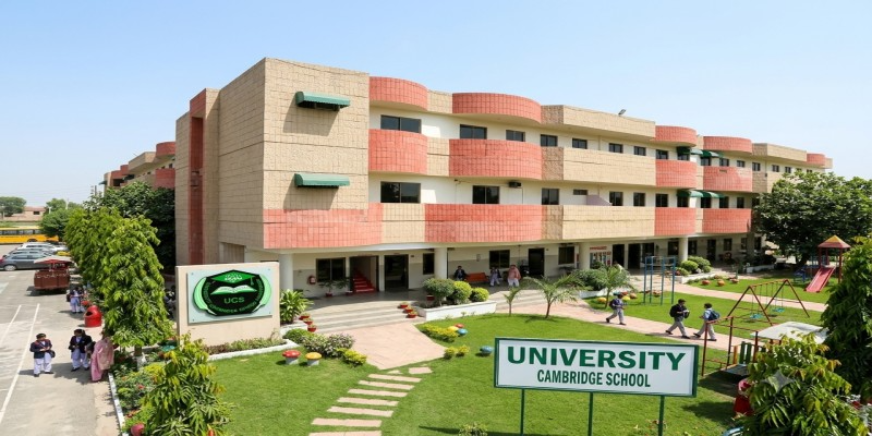
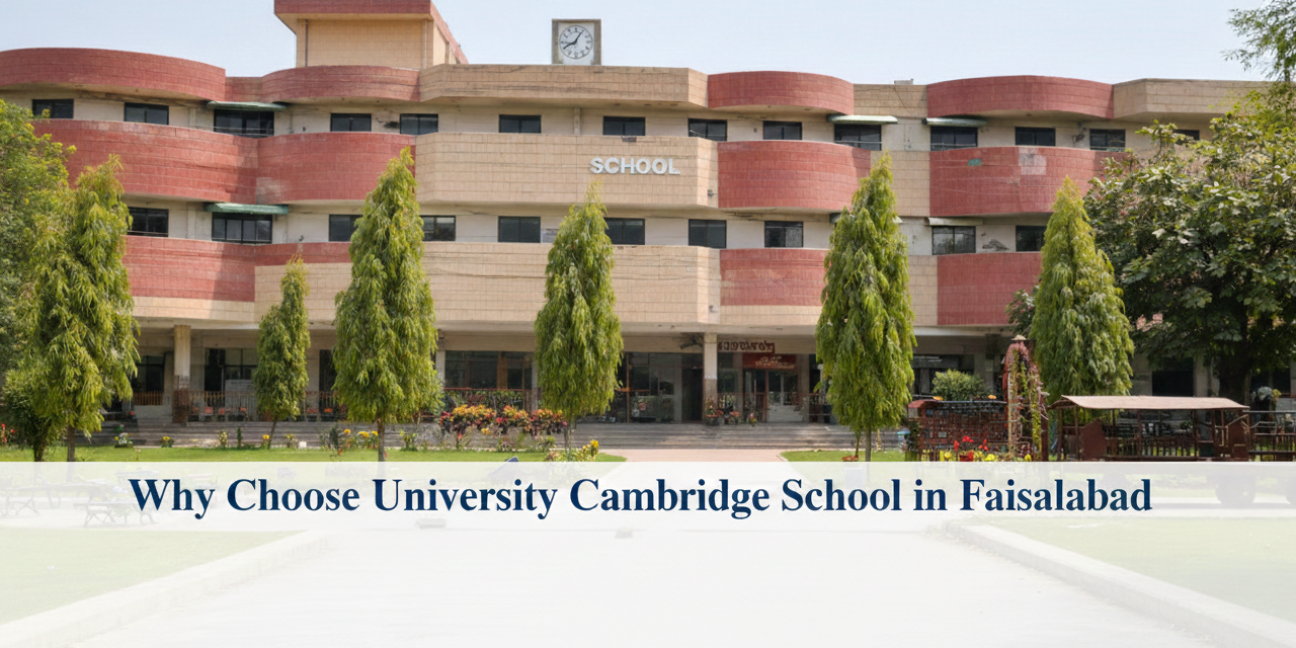
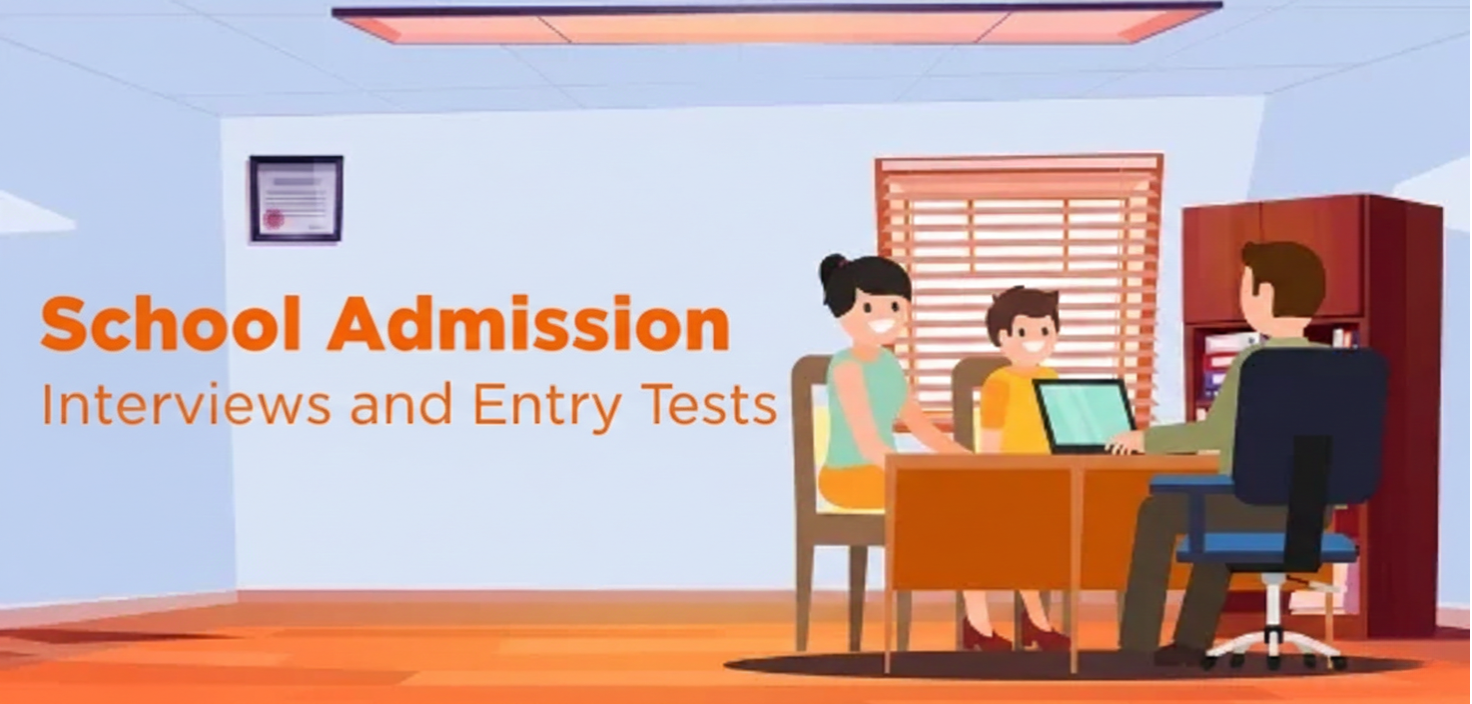
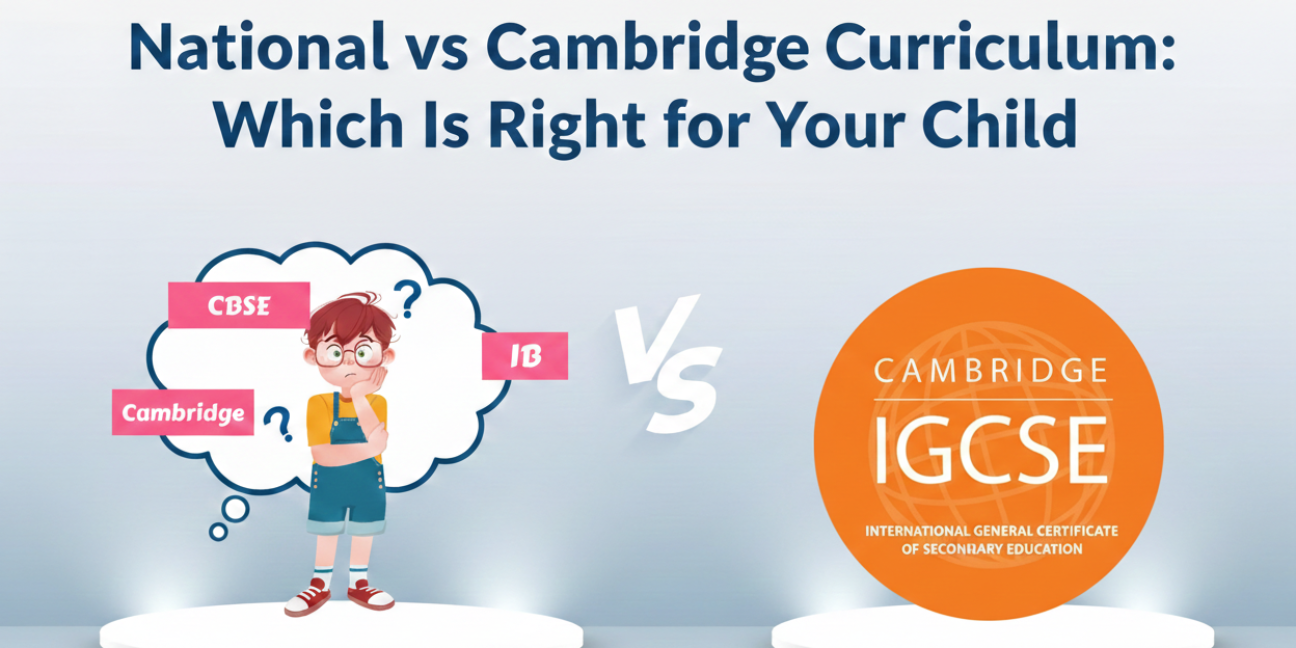
The curriculum a school chooses plays a massive role in how effectively it can nurture a child's analytical mind. International education frameworks, such as the Cambridge system, are explicitly designed to challenge students and build high-level problem-solving skills from an early age. These systems assess students based on their ability to interpret data, write analytical essays, and perform practical experiments, ensuring they are always actively engaging with the material. For families in Faisalabad who want to give their children access to this caliber of education, securing a spot in a premier institution is a critical step. Parents can begin this journey by visiting the University Cambridge School Admission portal to learn about enrollment timelines and entry requirements for a globally aligned academic program.
Finding the Balance Between Academic Rigor and Holistic Growth
While a challenging curriculum is essential, a school must also provide the right resources, environment, and holistic support to help students truly thrive. Critical thinking flourishes best in spaces where students feel safe to express unique ideas, make mistakes, and explore new interests outside the traditional classroom. To fully understand how a school balances high international standards with student well-being and campus facilities, parents can gain deep insights by reviewing the official University Cambridge School Prospectus. This detailed document offers a complete overview of the school’s academic philosophy, faculty expertise, and student-centric programs, helping families make highly informed choices for their children’s intellectual development.
Conclusion
Helping students develop critical thinking skills is one of the most powerful gifts a school can provide for the next generation. By stepping away from outdated memorization techniques and embracing active inquiry, structured study methods, and world-class curricula, schools can successfully prepare their students for the challenges of tomorrow. When parents and premier educational institutions work together, they ensure that children graduate not just with excellent exam results, but with sharp minds, resilience, and analytical tools needed to confidently lead and innovate in a rapidly changing world