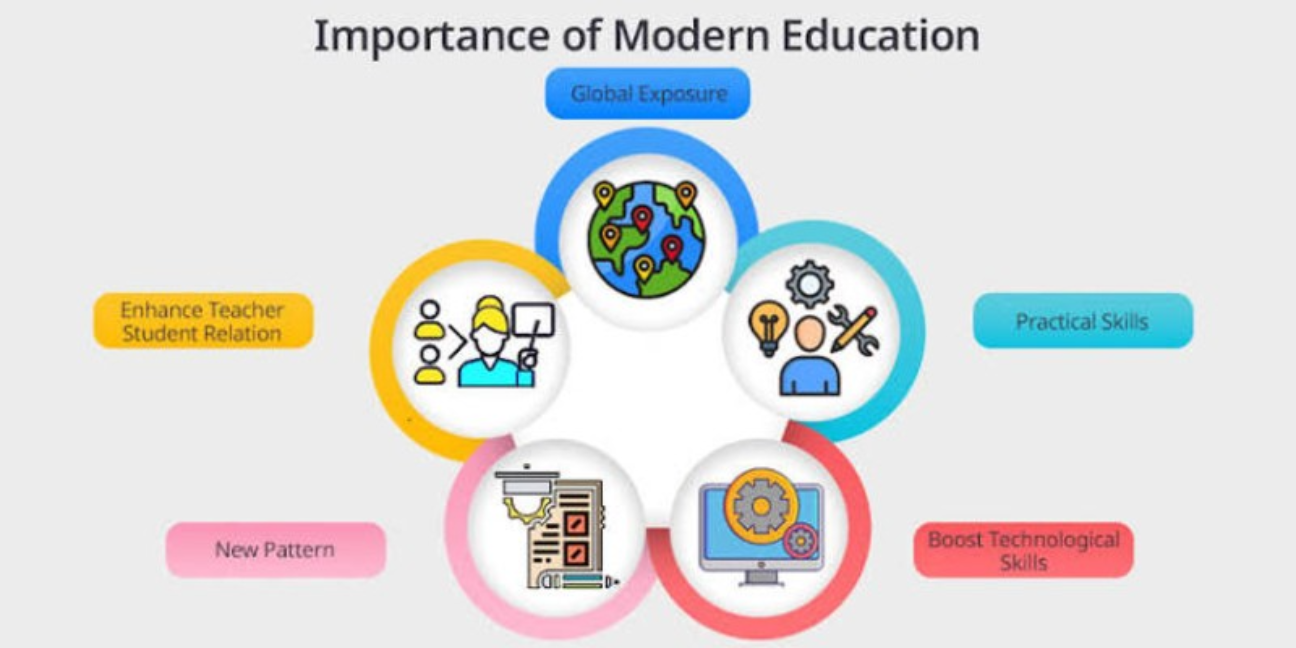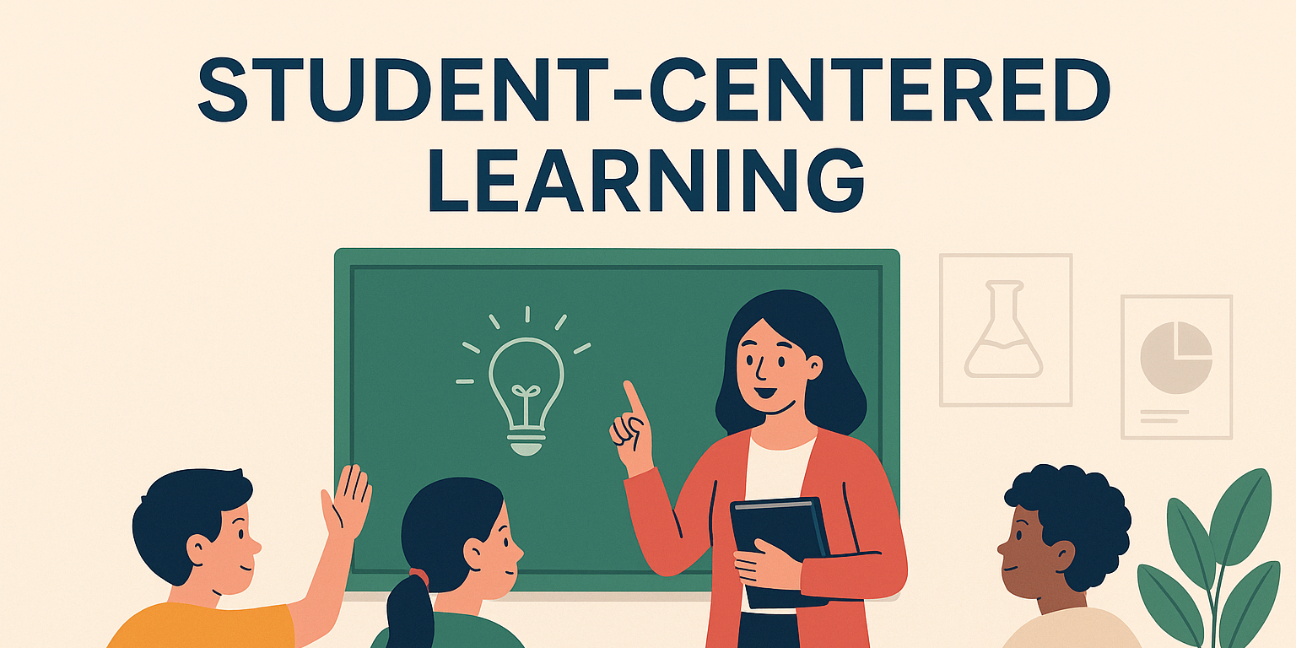
In traditional educational models, learning was often treated as a one-way transfer of knowledge: teachers lectured, and students listened. Today, modern pedagogy recognizes that true comprehension occurs when students actively participate in their own educational journey. Student engagement goes far beyond simple compliance or listening quietly; it is about fostering curiosity, critical thinking, and intrinsic motivation.
At University Cambridge School, student-centered learning can help children become more active and independent participants in their education. By transforming students from passive listeners into active contributors, educators and parents can create learning environments that inspire genuine passion and deeper understanding.
Cultivate Student Agency and Choice
When children feel they have a say in how or what they learn, they become more invested in the learning process. Providing controlled choices creates a sense of ownership over the learning process.
- Flexible Assignment Formats: Allow students to demonstrate understanding through various media such as written reports, oral presentations, digital slide decks, or creative podcasts.
- Topic Selection: Within a broad subject (e.g., environmental science), let students select specific subtopics that align with their personal interests.
- Pacing and Pathways: Offer structured learning menus or choice boards where students complete core tasks alongside elective activities tailored to their skill level.
Shift to Inquiry and Project-Based Learning
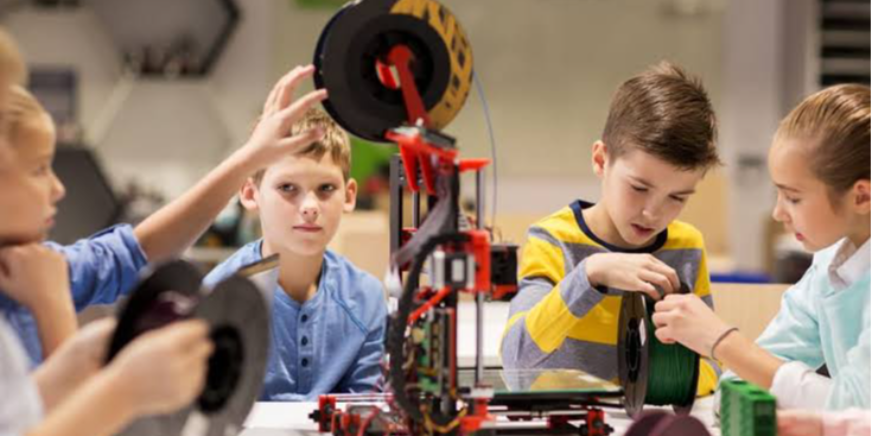
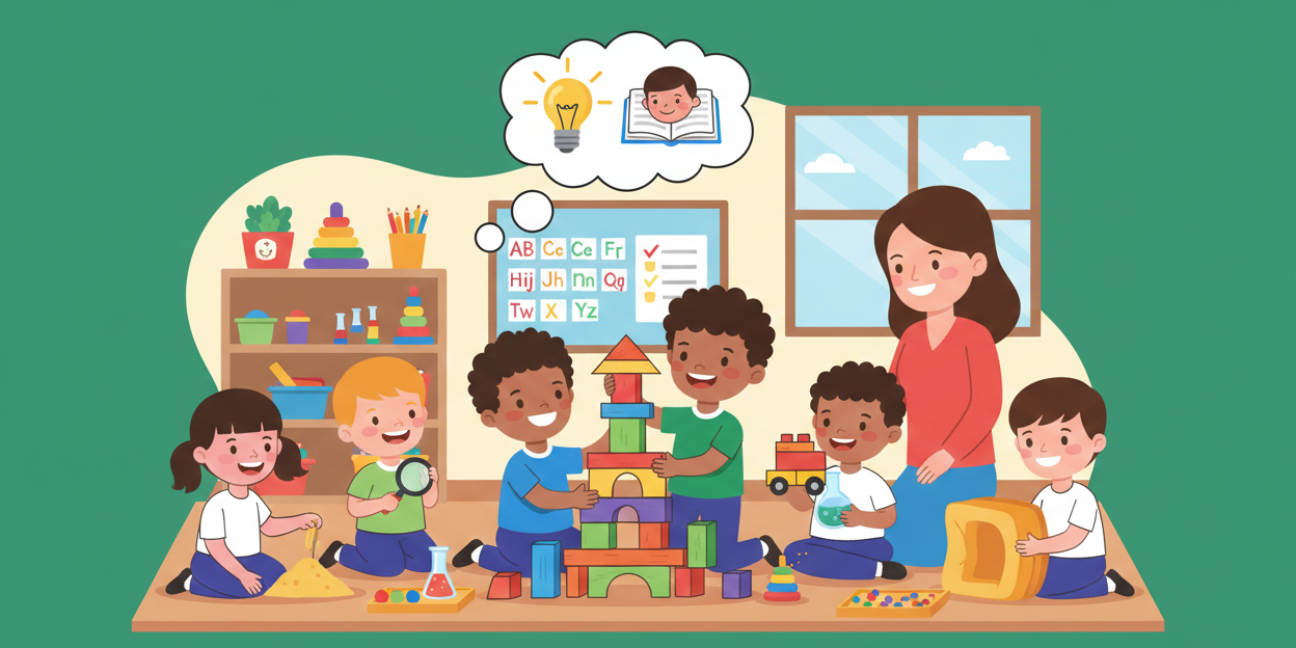
Inquiry-based learning transforms the teacher's role from a primary lecturer to a guiding facilitator. Instead of delivering facts directly, educators present intriguing questions, real-world problems, or hands-on challenges.
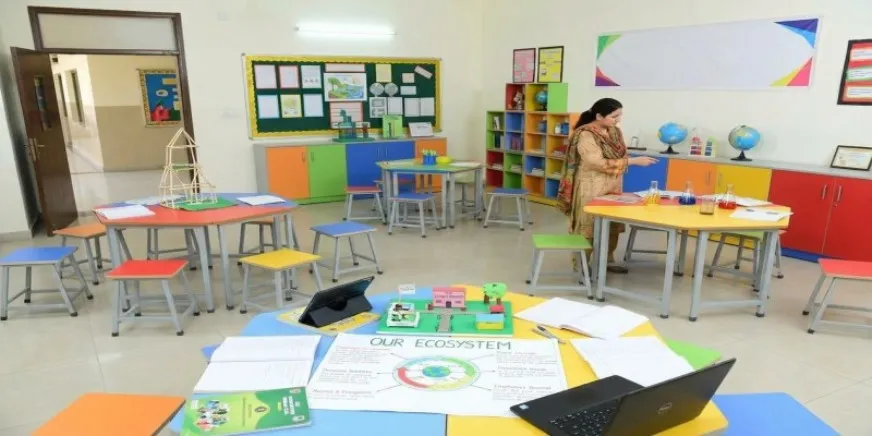
When students work on extended projects investigating local ecosystem issues, building physical models, or solving community challenges, they develop problem-solving skills and see the immediate real-world relevance of their studies. Learning becomes an active quest for answers rather than simple memorization for an exam.
Build a Collaborative and Inclusive Culture
Engagement thrives in environments where students feel safe to express ideas, ask questions, and learn from mistakes. Active learning requires peer-to-peer interaction and collaborative discovery.
A supportive school environment can strengthen both academic learning and student confidence. Parents can learn more about the School and its approach to creating a positive learning environment. Techniques such as think-pair-share, group problem-solving sessions, and peer feedback workshops ensure that every child’s voice is heard.
Encourage Self-Assessment and Goal Setting
Involving kids in their learning means helping them understand their own growth trajectory. When students set personal academic goals and reflect on their progress, they develop metacognition, the ability to think critically about their own learning habits.
- Student-Led Conferences: Encourage students to present their work portfolios to parents and teachers, explaining their achievements and areas for growth.
- Learning Journals: Use reflection prompts at the end of lessons, asking students to identify what they learned, what challenged them, and what questions remain.
- Rubric Co-Creation: Involve students in establishing criteria for high-quality work so they understand standards before starting an assignment.
Align School and Home Environments
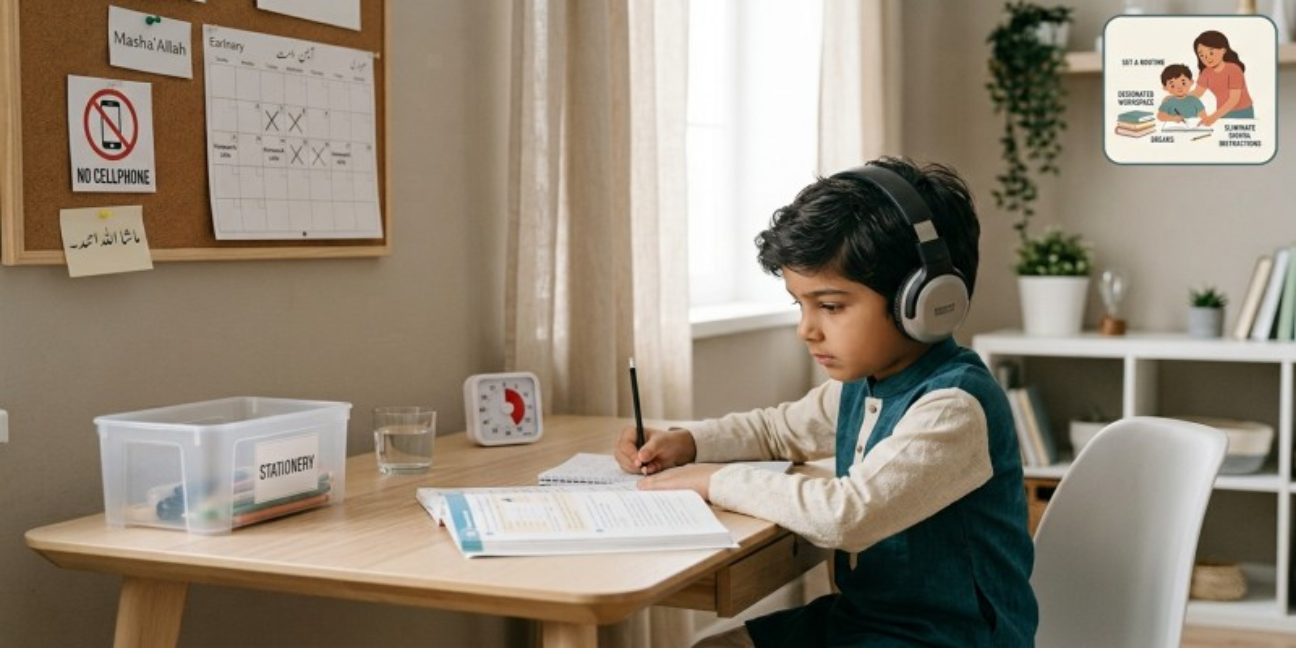
Sustained student engagement requires strong alignment between school strategies and parental support. When parents and educators share the same vision for student empowerment, children receive consistent reinforcement across all environments.
Parents can also review the school Prospectus to learn more about its curriculum, academic programs, and learning environment. Families interested in enrolling their children can also review the Admission guidelines to understand the application process and admission requirements.
Conclusion
Ultimately, fostering active student engagement is about far more than improving short-term academic results; it is about equipping young minds with the self-efficacy, curiosity, and resilience needed to thrive in an ever-changing world.
When schools and families unite around strategies grounded in agency, inquiry, and meaningful self-reflection, children stop viewing education as a passive requirement and begin embracing it as an empowering, lifelong pursuit. Investing in these student-centered approaches ensures that today's active learners grow into tomorrow's confident, innovative leaders