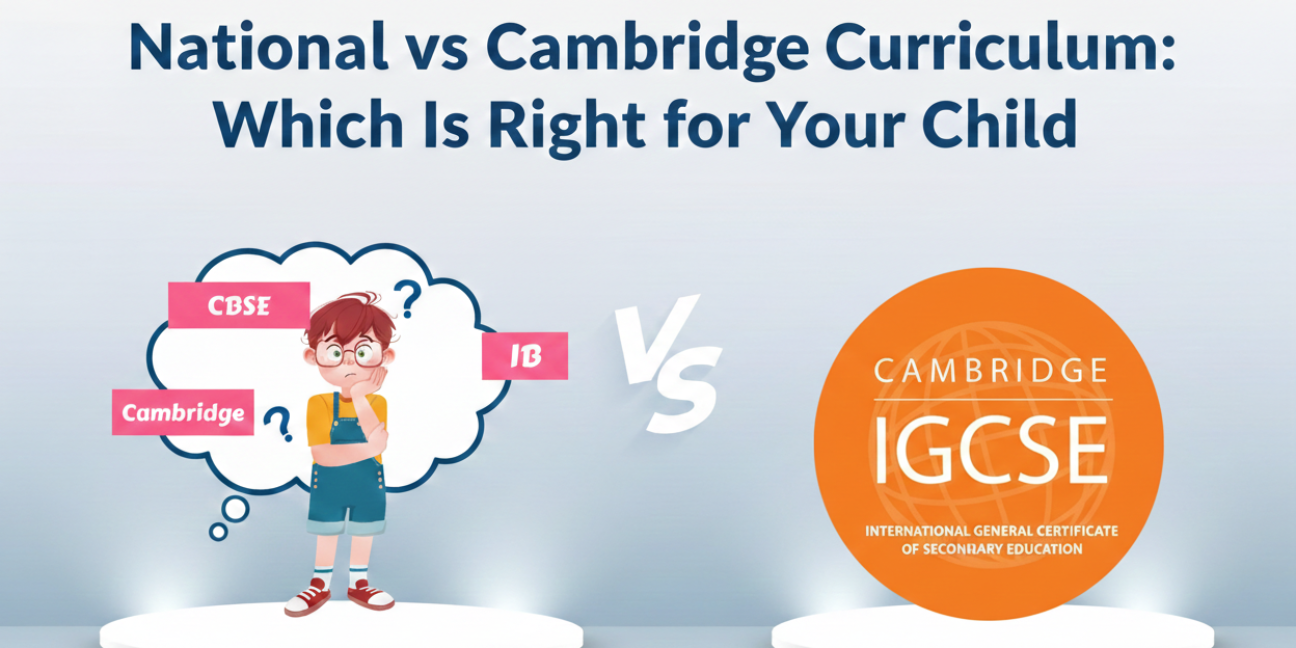
Choosing the right school curriculum is one of the most crucial decisions parents and students make in their educational journey. In Pakistan, the two most popular systems are the National Curriculum and the Cambridge Curriculum (also known as the British or International Curriculum). Both offer unique advantages, distinct learning approaches, and career pathways.
At University Cambridge School, Faisalabad, we understand that every learner is different. Our goal is to guide parents and students toward making informed decisions based on academic goals, learning preferences, and future aspirations. This comprehensive guide explores the differences, benefits, and factors to consider when choosing between the National and Cambridge curricula.
Understanding the National Curriculum of Pakistan
The National Curriculum follows the guidelines set by the Government of Pakistan and is implemented across public and private schools nationwide. It focuses on developing a strong foundation in subjects such as Urdu, English, Mathematics, Science, Islamiyat, and Pakistan Studies.
Key Features of the National Curriculum
Standardized Syllabus
The curriculum is designed by Federal and Provincial Boards, ensuring uniform academic standards across the country.
Language of Instruction
Most subjects are taught in Urdu or English, depending on the province or school policy.
Focus on Local Context
It emphasizes Pakistan’s culture, history, religion, and values, fostering national identity and social cohesion.
Assessment and Examination System
Students are evaluated through annual board examinations conducted by boards such as the BISE and Federal Board.
Cost and Accessibility
National Curriculum schools are generally more affordable and accessible, making them a practical option for many families.
Understanding the Cambridge Curriculum
The Cambridge Curriculum, developed by Cambridge Assessment International Education, is globally recognized and implemented in more than 160 countries.
At the University Cambridge School, this internationally benchmarked system ensures students receive an education aligned with global academic and professional standards.
Key Features of the Cambridge Curriculum
Global Recognition
Qualifications such as O Level, IGCSE, AS, and A Level are accepted by leading universities and employers worldwide.
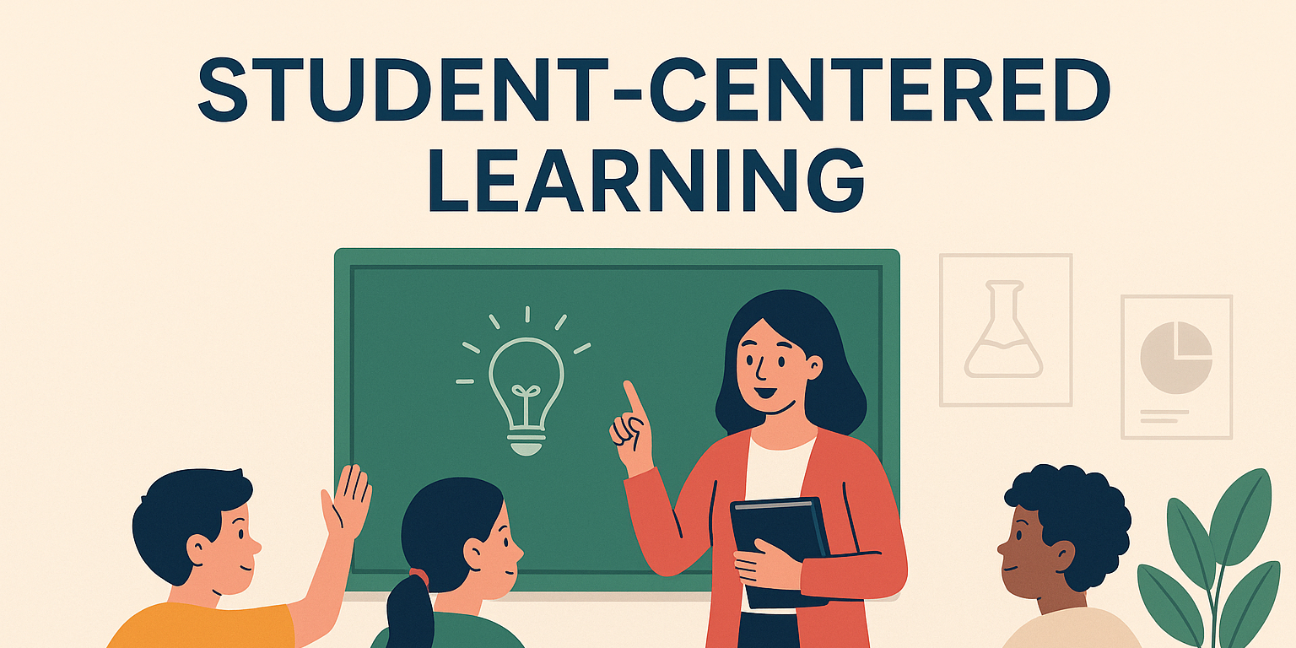
Student-Centered Learning
The system promotes analytical thinking, creativity, and problem-solving rather than rote memorization.
Flexible Subject Choices
Students can select subjects based on interests and career aspirations, from sciences to business and humanities.
Continuous Assessment
Evaluation includes coursework, assignments, and final exams, ensuring holistic performance measurement.
English as a Medium of Instruction
A strong English foundation enhances communication skills and global academic readiness.
National vs Cambridge Curriculum: Key Differences
| Affiliation | Government of Pakistan | Cambridge International (UK) |
| Language | Urdu / English | English |
| Learning Approach | Teacher-centered | Student-centered |
| Assessment | Annual Board Exams | Coursework + Exams |
| Global Recognition | Limited | Worldwide |
| Cost | Affordable | Higher investment |
| Content Focus | National perspective | Global perspective |
| Career Pathways | Local universities | Local + International |
Advantages of the National Curriculum
Affordability
Lower fee structures make it accessible to a wider population.
Cultural & Religious Relevance
Strong grounding in local traditions, values, and ideology.
Alignment with Local Universities
Students planning higher education in Pakistan often find smoother transitions.
Standardized System
Government-regulated textbooks, exams, and policies ensure consistency.
Advantages of the Cambridge Curriculum
Global Opportunities
Recognized by universities in the UK, USA, Canada, Australia, and beyond.
21st-Century Skill Development
Builds research skills, communication, collaboration, and innovation.
Conceptual Learning
Encourages understanding instead of memorization.
Subject Flexibility
Students design academic pathways aligned with career goals.
Strong English Proficiency
Supports international education and global careers.
Factors to Consider When Choosing Between National & Cambridge
Before making a decision, parents should evaluate:
Child’s Learning Style
- Memorization-based learners → National may suit
- Analytical learners → Cambridge may suit
Future Education Plans
- Studying in Pakistan → National easier transition
- Studying abroad → Cambridge preferred
Budget & Affordability
Cambridge offers global exposure but requires a higher financial investment.
Career Goals
Medicine, engineering, business, or international careers may influence curriculum choice.
Language Comfort
Students comfortable in English adapt faster to Cambridge.
How University Cambridge School Supports Both Perspectives
At University Cambridge School, our academic counseling team works closely with parents to evaluate each child’s strengths, goals, and potential. We focus on:
- Personalized academic guidance
- Modern classrooms & labs
- Activity-based learning
- Character building & leadership skills
- International standard assessment practices
Our aim is not just academic excellence but holistic personality development.
Conclusion
Selecting the right curriculum is not about which system is better; it is about which system is better for your child. The National Curriculum offers affordability, cultural grounding, and alignment with local education systems. Meanwhile, the Cambridge Curriculum opens doors to global exposure, skill-based learning, and international higher education opportunities.
With the right guidance, environment, and institutional support, students from either system can excel academically and professionally. At University Cambridge School, we remain committed to helping families make informed educational choices that shape confident, capable, and future-ready learners.