Social media has transformed from a simple networking tool into an omnipresent ecosystem that shapes how students think, interact, and learn. In Pakistan, where digital adoption has surged among youth, platforms like WhatsApp, TikTok, Instagram, and YouTube are now deeply intertwined with students' daily lives.
While these platforms offer unprecedented access to information, they also introduce significant challenges to academic focus and cognitive development. Understanding this dual impact is crucial for parents and educators navigating the modern educational landscape.
The Positive Impact: Collaborative Learning and Information Access
When used intentionally, social media serves as a powerful catalyst for collaborative learning. It breaks down geographical barriers and provides students with instantaneous access to educational communities.
Study Groups and Peer Support
Platforms like WhatsApp and Facebook allow students to form digital study groups, share lecture notes, clarify complex topics, and collaborate on assignments in real-time.
Supplementary Educational Content
YouTube and TikTok host a vast repository of micro-learning content. Complex scientific theories, mathematical formulas, and language lessons are often broken down into digestible, engaging videos that cater to visual learners.
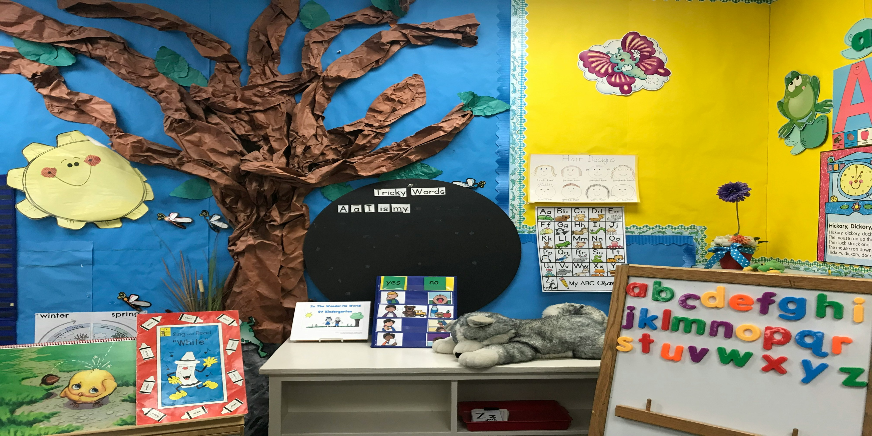
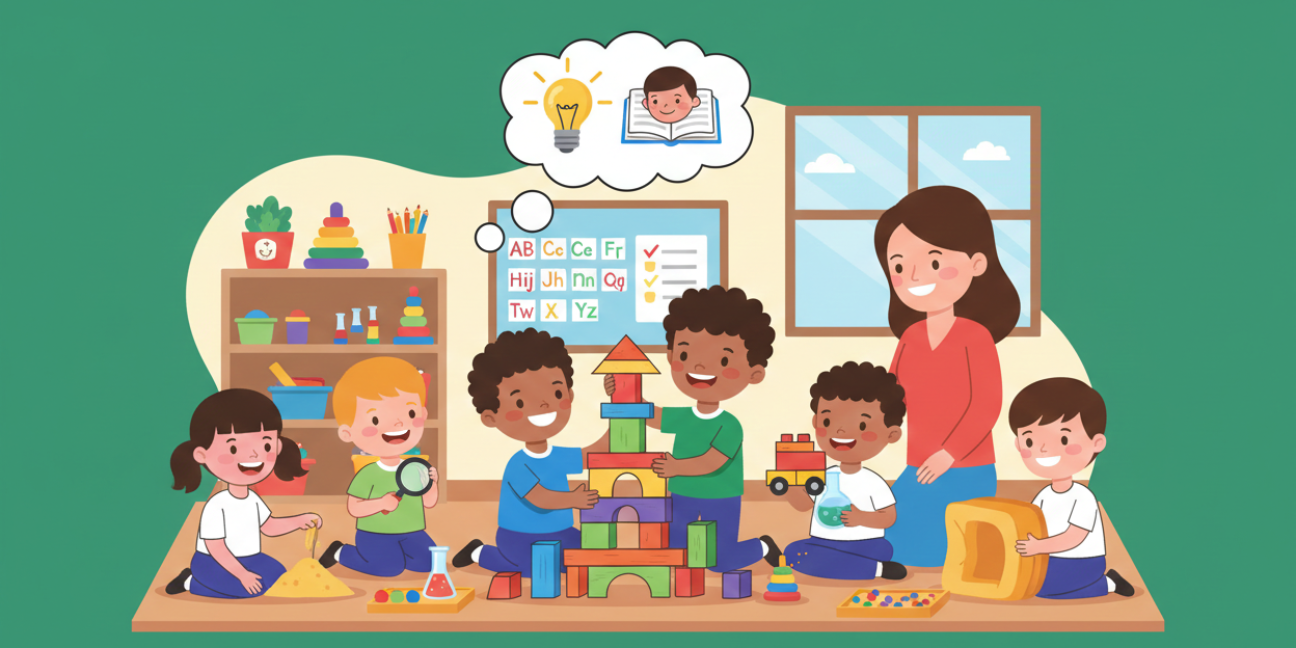
For younger demographics, leveraging digital tools correctly can reinforce early developmental milestones. Educators emphasize that integrating interactive, well-structured digital resources with traditional frameworks is one of the Best Learning Methods for Elementary Students in Pakistan, ensuring that screen time translates directly into cognitive growth rather than distraction.
The Negative Impact: Cognitive Fragmentation and Distraction
Despite the benefits, the unregulated use of social media poses a severe threat to academic performance. The primary culprit is the addictive nature of algorithm-driven feeds, which are explicitly designed to capture and hold short attention spans.
The Problem of "Continuous Partial Attention"
Many students attempt to multitask, keeping social media notifications open while studying. Research consistently shows that multitasking is a myth; instead, the brain rapidly switches tasks, leading to cognitive fatigue. This continuous interruption prevents students from entering a state of "deep work," which is required to understand and retain complex academic concepts.
Disrupted Sleep Cycles
The blue light emitted by screens, combined with the psychological stimulation of scrolling late at night, severely disrupts sleep patterns. Sleep-deprived students experience reduced retention capacity, slower processing speeds, and decreased alertness during school hours, directly leading to a decline in exam performance and overall grades.
The Role of Institutional Frameworks and Parental Guidance
The impact of social media is ultimately determined by consumption habits. Left to their own devices, students easily fall prey to digital distractions. However, within a structured, disciplined environment, technology can be channeled productively.
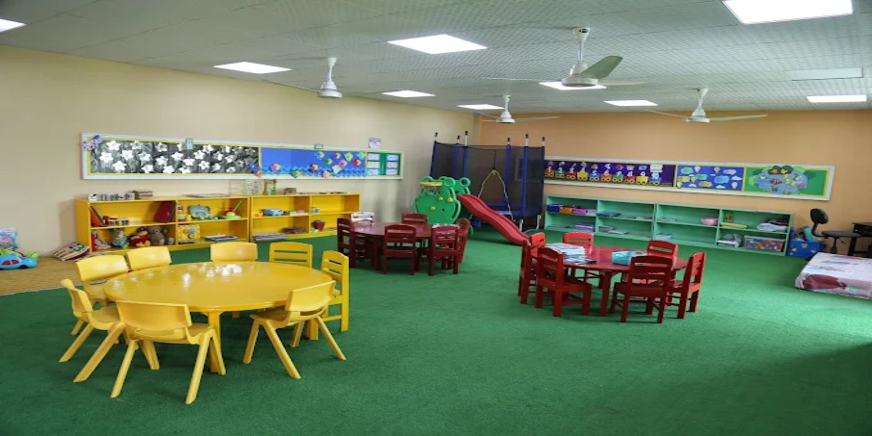
Forward-thinking educational institutions play a vital role in establishing these digital boundaries. Schools that balance modern technology with strict on-campus device policies and robust character-building programs help students cultivate digital discipline. For parents looking to place their children in an environment that actively monitors and channels student growth safely, exploring options through the University Cambridge School Admission portal offers a pathway to a balanced, premium educational ecosystem.
Conclusion
Social media is a double-edged sword that can either elevate a student's learning experience or severely compromise their academic potential. While it opens unparalleled doors to global knowledge and peer collaboration, its capacity for distraction, sleep disruption, and attention fragmentation cannot be ignored. Cultivating a healthy digital balance requires a unified effort from parents, students, and schools. By implementing structured study habits early on and choosing educational institutions that prioritize holistic discipline, we can ensure that the next generation uses social media as a stepping stone for success rather than a barrier to their academic achievements