We are constantly expanding the range of services offered, taking care of children of all ages.

Get In Touch

Gamification in Education - Features, Benefits, and More
   May 12 2026

The traditional image of a classroom often involves rows of desks, a chalkboard, and students listening passively to a lecture. While this method has worked for generations, the digital age demands more dynamic, engaging, and interactive approaches to learning. Enter Gamification in Education, a growing educational trend that is transforming how teachers teach and how students learn worldwide.

At University Cambridge School, we believe that education should not feel like a burden. By integrating elements of game design into our curriculum, we are making the learning process an exciting journey rather than a chore.

What is Gamification in Education?

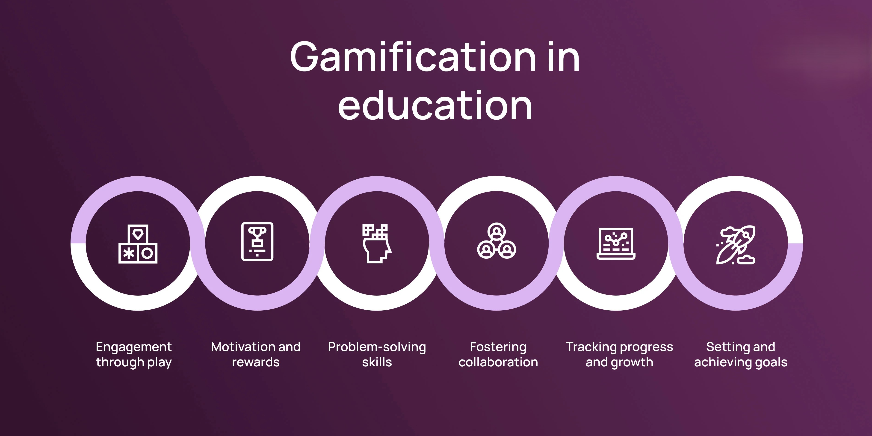
Gamification does not mean playing video games in class all day. Instead, it means taking the core elements that make games addictive and enjoyable such as points, levels, competition, and rewards and applying them to educational activities.

Instead of just aiming for a grade at the end of the term, students earn "points" for completing daily tasks, unlock new "levels" as they master difficult concepts, and receive "badges" for showing improvement or helping their peers. This approach completely changes the classroom dynamics, making the environment highly interactive, joyful, and productive.

Key Features of a Gamified Classroom

To implement gamification effectively, certain structural features are integrated into the lesson plans:

Progress Bars and Levels
Instead of feeling overwhelmed by a massive syllabus, subjects are broken down into bite-sized "quests" or levels. As students complete assignments, they see their progress bars fill up.

Instant Feedback
In a video game, when you make a mistake, you find out immediately and try again. Gamification applies this to academics; instant digital quizzes give students immediate feedback, allowing them to learn from their mistakes in real-time.

Leaderboards and Friendly Competition
Healthy competition encourages students to push their limits. Seeing their names on a leaderboard motivates them to participate more actively in class discussions.

Avatars and Personalization
Giving students the freedom to create their own digital learning avatars gives them a sense of ownership over their academic journey.

The Benefits: Why Gamification Works
Gamification taps into basic human psychology—our natural desire for achievement, recognition, and play. Here is why it is becoming an essential part of modern schooling:
Drastically Increases Student Engagement

When learning feels like a game, students stop watching the clock. It turns passive listeners into active participants. Complex subjects like Mathematics or Chemistry become puzzles waiting to be solved rather than formulas to be memorized.

Builds Character and Resilience

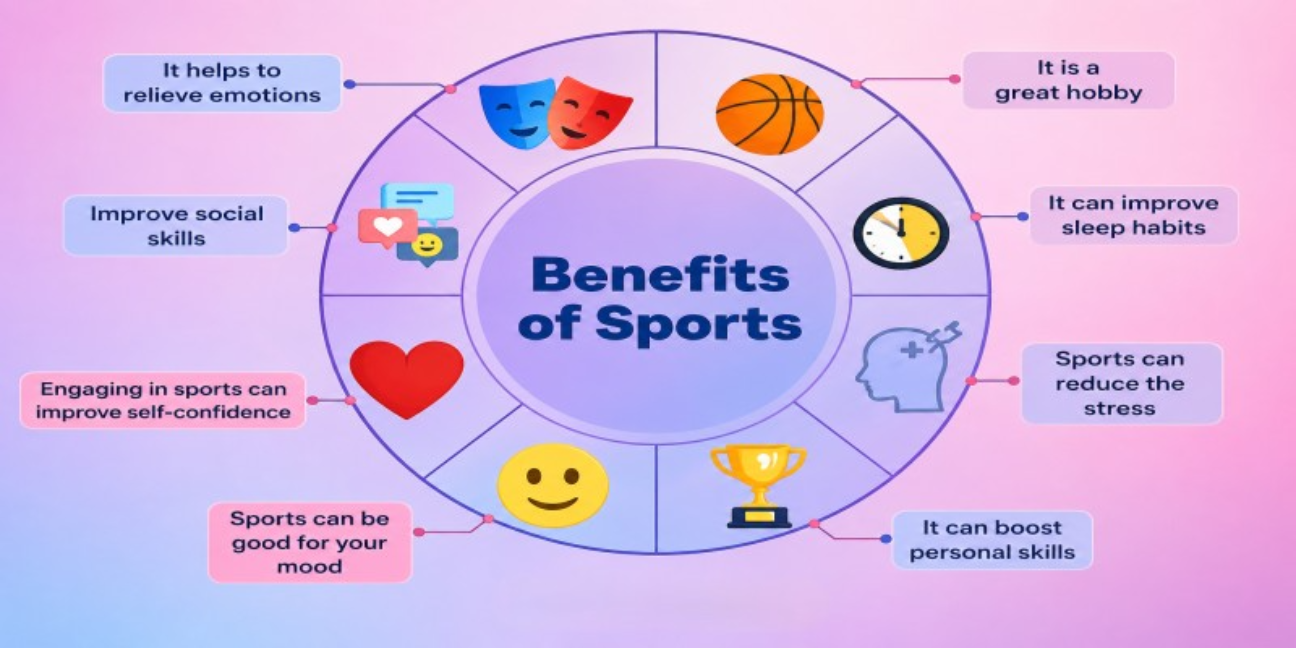
In games, failing a level does not mean you quit; it means you try again with a better strategy. Gamification teaches students a growth mindset. It reduces the fear of failure, encouraging them to view mistakes as necessary steps toward success. This emotional resilience is very similar to the lessons learned on the playground. Just like the Benefits of Sports help in building character beyond the classroom, gamified academics teach students determination, teamwork, and sportsmanship.


Better Knowledge Retention

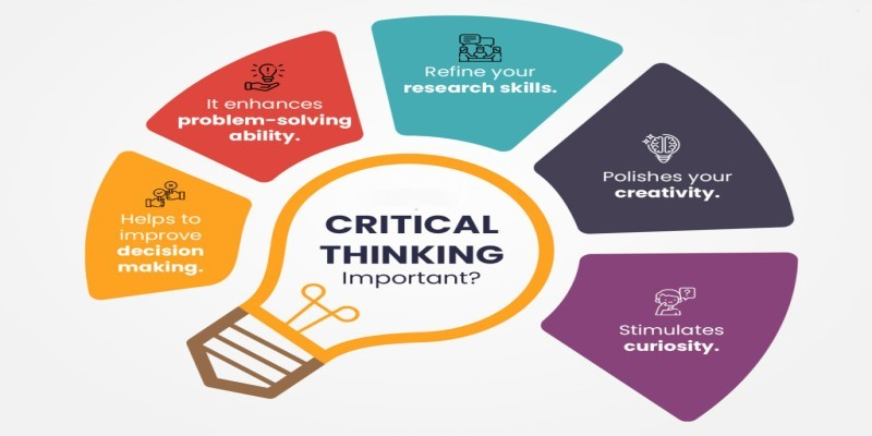
Because gamification requires active participation (critical thinking, decision-making, and problem-solving), the information is stored in long-term memory much more effectively than through rote learning (ratta system).

Real-World Application at University Cambridge School

At University Cambridge School, we smoothly blend these modern methodologies with the standard Cambridge standards. Whether it is through interactive language apps, science quizzes set up as digital escape rooms, or team-based history trivia, our teachers use gamification to ensure no student is left behind. We aim to create a holistic environment where emotional well-being and academic excellence go hand in hand.

Conclusion

Gamification is not a passing fad; it is the future of education. By turning the classroom into an environment of discovery and reward, we can foster a lifelong love for learning in our children.

If you want to read more about modern educational strategies, parenting tips, and school updates, make sure to visit our blog section.

Apply Online School Calendar Contact Us